Service
Therapeutic Massage in Sedona
Built Around Your Specific Pain Points
What’s Covered on This Page
Therapeutic Massage Targets a Specific Problem, Not Just Relaxation
A Licensed Therapist Means Safer, Accountable Care
What Happens During a Customized Therapeutic Session
Studio Visit or In-Home Session for Sedona Lodging Guests
How Session Pricing Works for Therapeutic Massage
What’s the real difference between a regular massage and a therapeutic massage?
Will a therapeutic massage feel sore afterward, like after a workout?
How numb or spacey should I expect to feel after a deep therapeutic session?
Therapeutic Massage Targets a Specific Problem, Not Just Relaxation
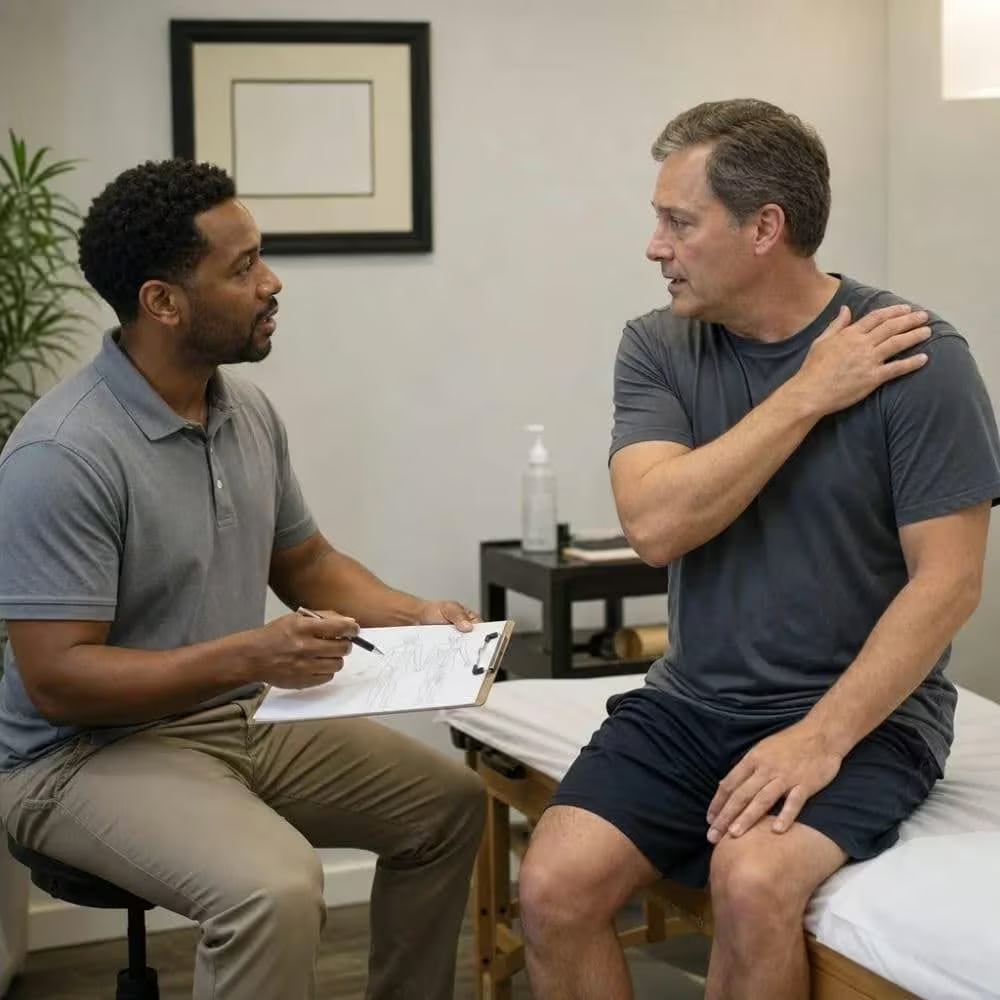
Therapeutic Massage starts with the thing that’s bothering you, like a stiff neck or a sore lower back, and builds the whole session around it. Relaxation still happens, but it’s not the only goal. The real aim is to help that one problem ease up, while caring for the rest of you too.
When you book a Therapeutic Massage, you’re not just asking for an hour of feeling good. You’re bringing a real problem with you. Maybe it’s a shoulder that won’t let you sleep on your side. Maybe it’s a lower back that tightens up every time you sit for too long. A therapeutic session is shaped around that problem, not a set routine that’s the same for everyone.
That’s the heart of it. The most helpful therapeutic massage is fully customized to you and to the specific thing your body is asking for help with. It takes real skill to do that well, and it’s skill that grows over years of hands-on work.
A relaxation massage, like a classic Swedish session, uses long, flowing strokes that help your whole body let go. It’s lovely, and sometimes it’s exactly what you need. A therapeutic session can use some of those same strokes, but it slows down and focuses where the trouble is. It might spend more time on one tight area, change the pressure, or blend in other techniques that fit what your muscles are doing that day.
Here’s a simple way to tell which one you’re looking for:
- You want to unwind, rest, and feel calm all over. A relaxation massage is likely a good fit.
- You have a spot that aches, feels stuck, or keeps coming back. A therapeutic massage is made for that.
- You’re not sure, or you want both. That’s fine. A customized session can hold both needs at once.
Kris has been doing this work for more than 25 years. She’s an Arizona-licensed massage therapist who graduated with honors from the Swedish Institute of Massage in New York City, and she once worked as a therapist at L’Auberge and Amara Resort here in Sedona. That kind of background matters most when your problem doesn’t fit a neat label. She can draw from a wide range of skills, including deep tissue, trigger point, sports, and medical massage, and choose what helps you, not what’s on a menu.
There’s another layer some people don’t expect. Pain isn’t always only physical. Stress, grief, or just carrying too much for too long can show up as tight shoulders or a clenched jaw. Kris is trained in Usui Reiki and Karuna Reiki®, and she brings energy work into her sessions when it’s right for you. You don’t have to believe anything special for it to feel good. It’s simply one more way your session can meet you where you are.
You can come to her West Sedona studio, or she can come to your home or the place you’re staying. If you’re visiting and your back is sore from travel, you don’t have to get back in the car to get relief.
So if something’s been bothering you, start there. Name it. That one honest detail is what turns a nice massage into one that helps.
A Licensed Therapist Means Safer, Accountable Care
When a massage is aimed at a real problem, like a back that keeps seizing up or a neck that’s been sore for weeks, the person working on you matters a lot. A therapeutic session often means firmer pressure, slower work, and more time on one sore spot. That’s exactly when you want hands that know what they’re doing and know when to stop.
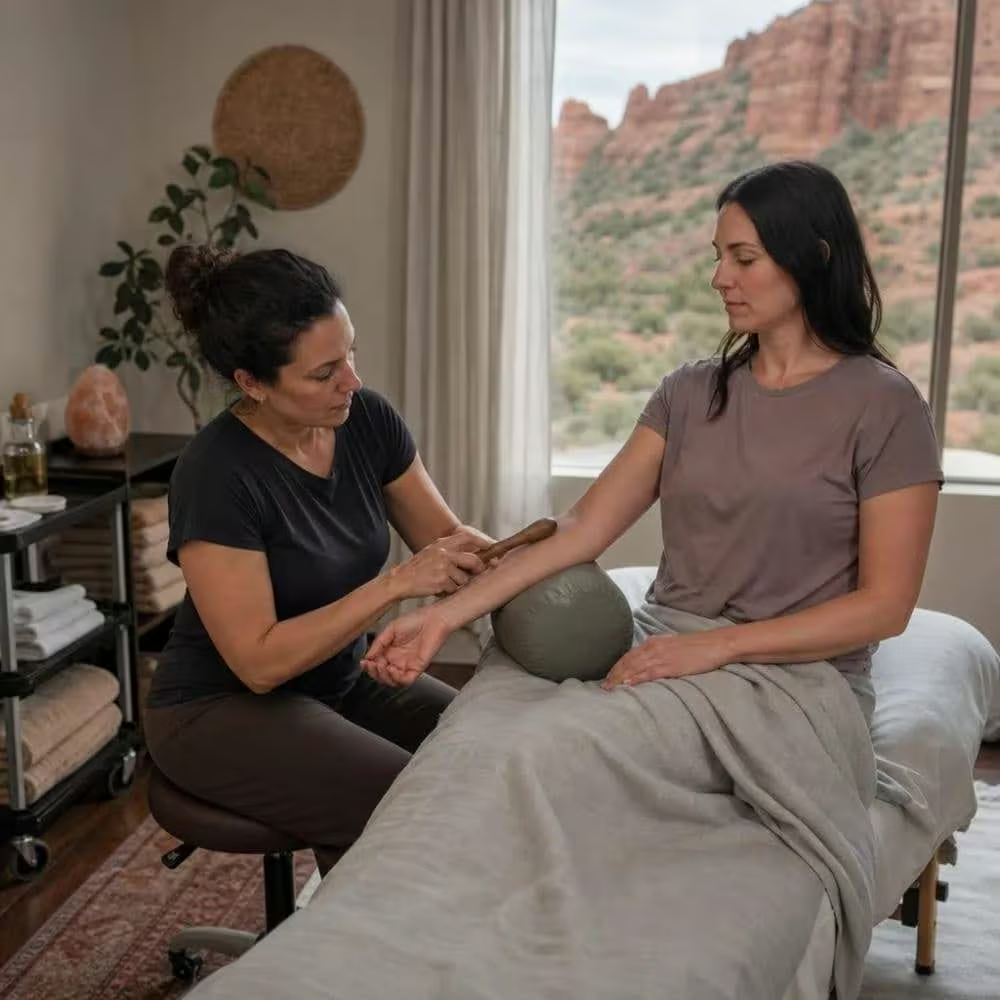
In Arizona, massage therapists have to be licensed by the state. That license tells you the therapist has finished formal training and met the state’s standards. It also means someone is watching. A licensed therapist answers to a state board, has to keep that license current, and can lose it for unsafe or unprofessional care. An unlicensed person doesn’t carry that same responsibility to you.
So what does that look like on the table? A trained therapist understands how muscles, joints, and nerves connect. They know some health conditions call for a lighter touch, a change in position, or a word with your doctor first. They pay attention to how your body responds and adjust as they go. When you’re already hurting, that care is what keeps a session from making things worse.
Kris is an Arizona-licensed massage therapist and a member of the American Massage Therapy Association, a professional group for massage therapists. Paired with more than 25 years of hands-on work, that’s the kind of grounding you want when your problem is specific and a little stubborn.
This matters even more when the session comes to you. Inviting someone into your home, a vacation rental, or a hotel room takes trust. When you book mobile massage with Healing Hands Massage by Kris in Sedona, you’re welcoming a licensed professional, not a stranger with a table.
Whoever you choose, it’s fair to ask a few simple questions before you book. A good therapist will be glad you did.
- Are you licensed to practice massage in Arizona? You can ask for the license number.
- Have you worked with the kind of pain or tightness I’m dealing with?
- Will you check in about pressure during the session, and is it okay if I tell you to ease up?
- Is there anything about my health you’d want to know first?
You also have rights on the table, no matter where you go. You can ask for less pressure or more. You can ask to skip an area. You can stay as covered as you like, and you can end the session anytime. A professional will respect every one of those choices without making you feel awkward.
Safety and comfort aren’t extras. They’re what let your body relax enough to let go. Muscles don’t release well when part of you is on guard. When you trust the person caring for you, the deeper work can finally happen, and that’s when real relief begins.
That same focus carries through the practical healing hands massage by kris in sedona guidance our team provides to local families.
What Happens During a Customized Therapeutic Session
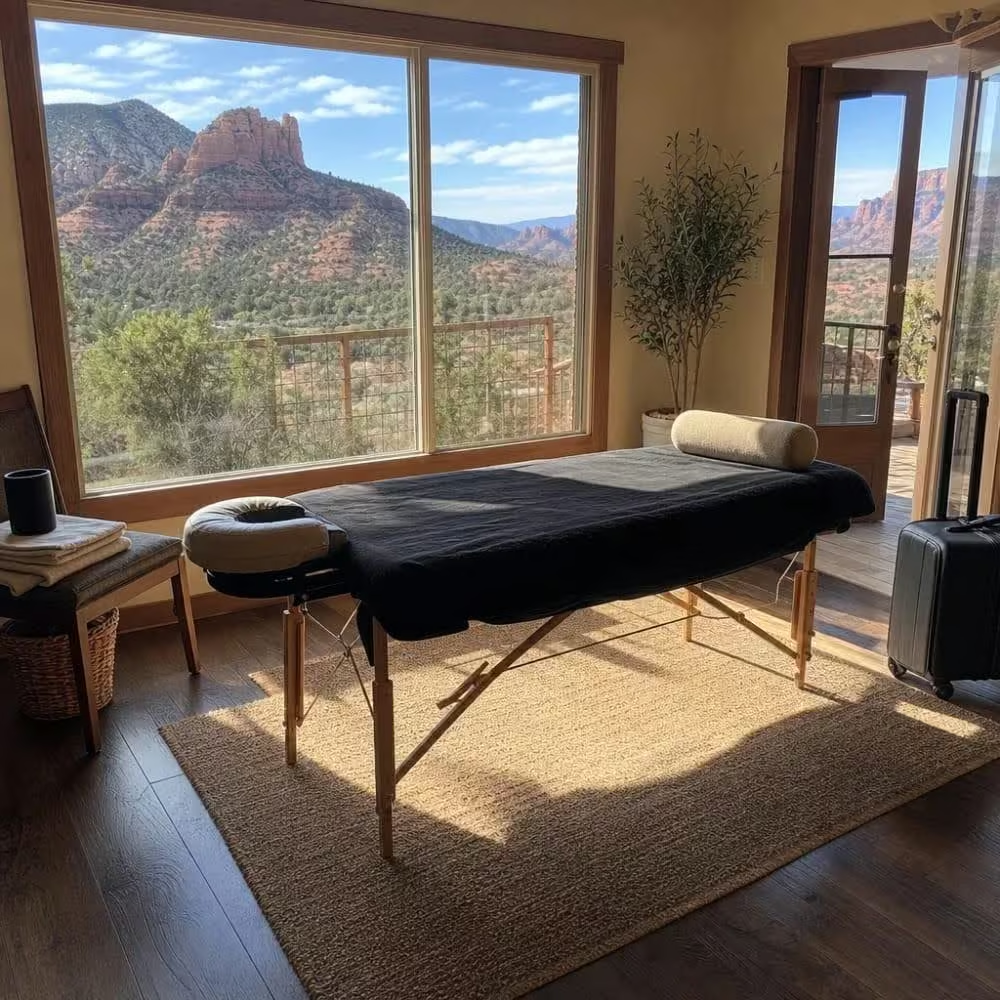
A customized session doesn’t start with your muscles. It starts with a conversation. Before any hands-on work, you’ll talk about what’s going on. That one spot you named is the center of it. The small details around it are what shape the hour.
These are the kinds of things that are worth sharing:
- Where it hurts, and whether the pain stays put or travels.
- When it started, and whether something set it off, like a long drive, a new desk chair, or a hard hike.
- What makes it worse and what brings a little relief.
- How you sleep, and whether it wakes you up at night.
- Any health conditions, injuries, or pregnancy your therapist should know about.
- How you’re feeling overall. Tired, stressed, or carrying a lot all count.
You don’t need the right words or a medical label. Saying “it feels like a knot right under my shoulder blade” is plenty to start with.
Once the hands-on part begins, a good therapeutic session rarely dives straight into the sore spot. Tight muscles tend to guard themselves. Gentle, warming strokes first help the area soften, so deeper work can go in without a fight. From there, the focus slowly narrows to where your body is asking for help.
The problem area also isn’t always where the trouble lives. A sore lower back may be tied to tight hips. A stiff neck often pulls from the shoulders and upper back. So part of your session may be spent on spots you didn’t mention, because they’re connected to the one you did. That’s where years of experience really count. After more than 25 years of this work, Kris knows how to follow those connections and choose the technique each spot needs, whether it calls for slow, steady pressure, focused work on a trigger point, or a lighter touch.
Pressure isn’t set once and left alone. It changes as your muscles respond. Some areas may feel like a “good hurt,” and others may need a softer hand that day. Your feedback guides all of it. A quiet “that’s a lot” or “right there” helps the session fit you better.
If it feels right for you, energy work can be woven in too. Kris blends Reiki and energetic touch into her sessions for people who want it. Some find it helps their whole body settle, so the physical work can go deeper. If you’d rather keep things purely hands-on, that’s just as welcome. It’s your session.
Where you have it matters less than you might think. The care is the same in her West Sedona studio or in the room where you’re staying. Some people find it easier to fully let go at home, with no drive afterward and nowhere to be but the couch.
Afterward, a lot of people notice they can move a little more freely, or that the ache has gone quieter. A worked area may feel a bit tender the next day, a lot like after a good workout. A stubborn problem that’s been building for months may ease in layers over more than one visit, and that’s normal. Each session builds on what your body learned the last time.
If you’re wondering whether your problem is something a session can help with, you’re always welcome to reach out and talk it through first.
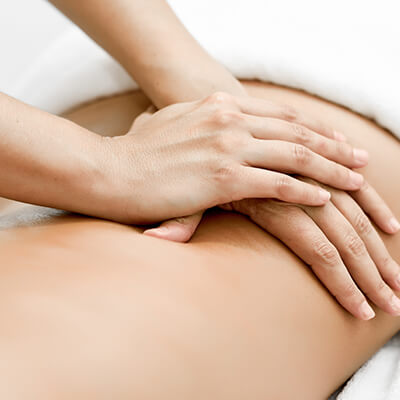
Studio Visit or In-Home Session for Sedona Lodging Guests
You have two choices for where your session happens. You can come to Kris at her West Sedona studio on Harmony Drive, or she can come to your home or the place you’re staying. Neither one is better. The right choice is whichever lets your body rest the most.
The studio may suit you best if:
- You live in or near Sedona and the drive is easy for you.
- Home is busy right now, with kids, pets, a ringing phone, or a to-do list staring at you from the kitchen.
- You like having a quiet place that’s only for this, with a clear start and end.
A session where you’re staying may suit you best if:
- You’re visiting and staying at a hotel, resort, or vacation rental.
- You spent the day on the red rock trails or in the car, and the last thing you want is another drive.
- Getting in and out of a car is hard right now because of an injury, pregnancy, or a back that’s flared up.
- You’d like to stay warm and loose afterward and go straight to rest, a bath, or bed.
That last point matters more than people think. Therapeutic work can leave you feeling heavy, soft, and a little dreamy. If you have the session where you’re staying, you can hold onto that feeling instead of tensing back up behind the wheel.
If you’re visiting, a few small steps can make an in-room session go smoothly:
- Check your lodging’s rules first. Some resorts only allow their own spa staff to give massages on the property. Vacation rentals and many hotels are usually more flexible, but it’s worth asking.
- Share the full address and any gate codes, parking notes, or building directions ahead of time, especially if your rental sits up a winding road or inside a gated community.
- Think about where in the room a quiet, clear spot might be, and plan for a stretch of time when no one needs you.
- If you’re only in town for a few days, think about booking early in your trip. Easing travel stiffness on day one can make every hike and outing after it feel better.
Kris knows Sedona’s resort world from the inside, from her years as a therapist at L’Auberge and Amara Resort. Whether you’re tucked into a rental in the hills or living just down the road from her studio, the session is still built around the one problem you came with, and around you as a whole person.
If you’re not sure which setting fits, that’s a fine place to start the conversation. Tell Kris what’s bothering you and where you’re staying, and you can decide together.
Need help with Therapeutic Massage?
Book A Massage. Healing Hands Massage by Kris in Sedona is ready to help.
How Session Pricing Works for Therapeutic Massage
Therapeutic massage is usually priced by the length of the session, not by the problem you bring. You choose a block of time, often 60, 90, or sometimes 120 minutes, and the rate is set by that time. What happens inside that hour is shaped around you. Where it happens and a few other choices can change the total.
Here’s what tends to move the price up or down in this field:
- Session length. Longer sessions cost more, but they give a therapist room to warm up the area, work the connected spots, and still care for the rest of you. If your problem is stubborn or spread out, an extra 30 minutes can matter more than you’d think.
- Studio or in-home. Sessions that come to your home or lodging often cost more than studio visits. That covers drive time and bringing the table and supplies to you. In a spread-out place like Sedona, the distance can play a part.
- Add-ons. Some therapists charge extra for things like hot stones, aromatherapy, or extended energy work. Others fold what you need into the session. It’s worth asking which way they do it.
- Setting. Resort spas often price higher than independent therapists, and some add a service charge on top. You’re paying partly for the setting and amenities, not only the hands-on care.
- Packages or series. Many independent therapists offer a lower per-session rate if you book several visits. That can help when a problem is easing in layers over time.
Tipping is common for massage in the United States, but practices vary. Some resort spas add gratuity to the bill automatically, so check before you tip twice. With an independent therapist, it’s fine to just ask what’s customary.
Some people wonder about insurance or health savings accounts. Coverage for massage depends on your plan, and it sometimes needs a note from your doctor. Call your plan before you book rather than assuming.
To avoid surprises, these are good questions to ask any therapist before you book:
- What’s the rate for the session length I want, and does it include everything we talked about?
- Is there a travel fee for coming to me, and does it change with distance?
- Do you charge separately for energy work or other add-ons?
- What’s your cancellation policy?
- Do you offer a series rate if I’ll need more than one visit?
A clear, kind answer to these questions is a good sign. It tells you the therapist respects your time and your budget as much as your body.
The cheapest hour isn’t always the best value when you’re hurting. A session shaped around your real problem by someone with deep experience may help you feel better in fewer visits. If you’d like to know Kris’s current rates for a studio or in-home session, just ask. She’s happy to walk you through it.
Ready to Get Started?
Book A Massage. Call 9288212877 today.
Frequently Asked Questions
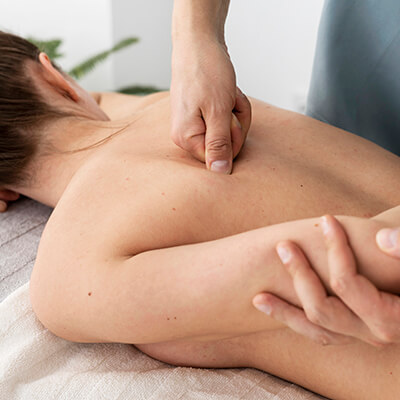
What's the real difference between a regular massage and a therapeutic massage?
A regular massage, like Swedish, is built around full-body relaxation with long, flowing strokes. A therapeutic massage is built around a specific problem, like a stiff neck or sore lower back, and the session is shaped to help that one area while still caring for the rest of you. Both can feel good, but therapeutic work is more focused and adjusts pressure and technique to what that sore spot needs.
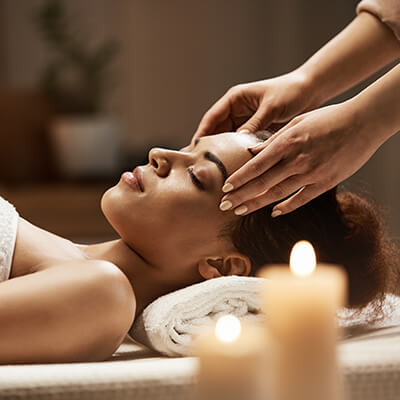
Will a therapeutic massage feel sore afterward, like after a workout?
Yes, it’s common to feel a bit tender in the worked area the next day, similar to post-workout soreness. This happens because deeper, focused pressure is used on the problem spot rather than light, even strokes. A stubborn issue that’s been building for months may also ease in layers over more than one visit instead of disappearing after a single session.
How numb or spacey should I expect to feel after a deep therapeutic session?
Feeling heavy, soft, or a little dreamy afterward is normal, especially after deeper therapeutic work. Your muscles have been working hard to release tension, so it’s common to feel relaxed and a bit slow for a while. That’s part of why having a session where you’re staying, instead of driving straight afterward, can help you hold onto that relaxed feeling longer.