Service
Sports Massage in Sedona:
Recovery Matched to Your Trail Day
Holistic Healing and Customized Massage Therapy Services
What’s Covered on This Page
Sports Massage Targets Activity Strain, Not Just Relaxation
Deciding Between Sports Massage and Deep Tissue
Signs You Can Wait or Should See a Doctor First
Booking Around a Sedona Hike or Trip
What a Customized Sports Massage Session Involves
Is a sports massage better than a deep tissue massage?
How much should you tip for a massage?
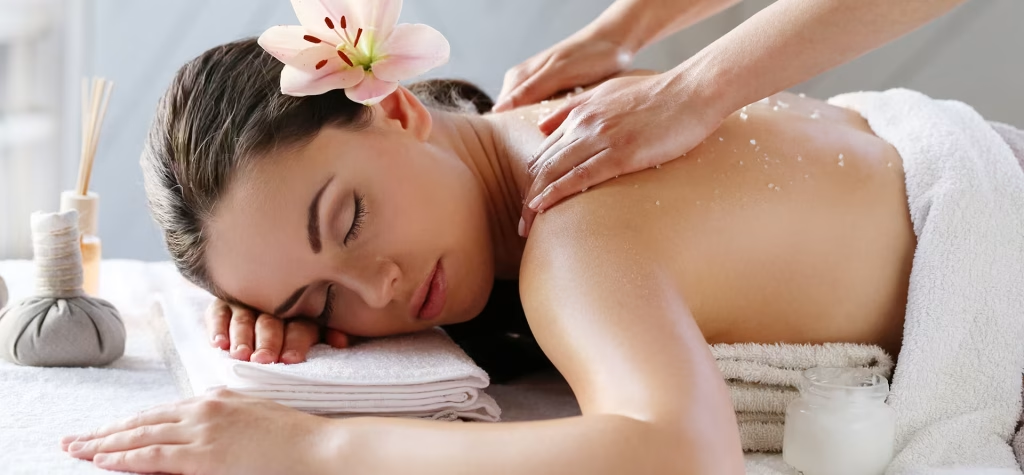
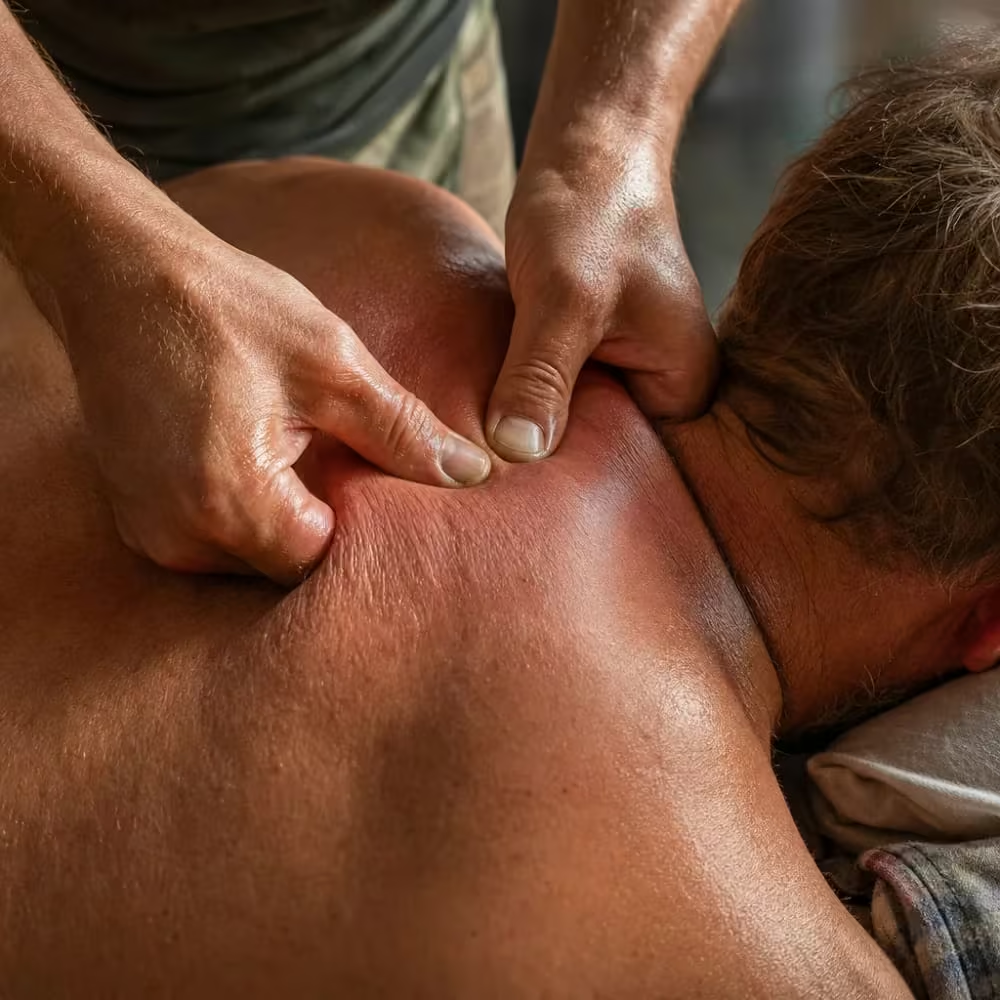
Sports Massage Targets Activity Strain, Not Just Relaxation
A lot of people think a massage is a massage. You lie down, someone works out the knots, and you float home. That’s lovely, and there’s a real place for it. A sports massage has a different job, though. It’s meant to meet the strain your body picks up from the things you love to do, whether that’s running, climbing, cycling, golf, yoga, or a long day on the trail.
Every activity leaves its own mark. A runner often carries tightness through the calves, hamstrings, and hips. A cyclist may feel it in the front of the thighs, the low back, and the neck from holding the same position for hours. A climber’s forearms and shoulders take a beating. If your massage treats all of these bodies the same way, it can miss the spot that’s really holding you back.
Sedona’s trails make this very real. The paths here climb and drop over slickrock and loose stone. You’re stepping up, braking on the way down, and balancing on uneven ground the whole time. After a big hike or a morning on a mountain bike, you might notice your quads feel heavy, your knees feel a little cranky on the stairs, or one hip feels tighter than the other. Those are the kinds of clues that shape a sports massage.
- Where you feel tight, sore, or limited, and when it started
- What activity you’ve been doing, and how often
- Whether you’re getting ready for an event, recovering from one, or just training steadily
- How your body usually responds to firmer or lighter pressure
Those answers matter more than any standard routine. Kris has spent over 25 years shaping each session around the person on the table, including years as a therapist at L’Auberge and Amara Resort here in Sedona, where many guests came in fresh off the trails. That same customized approach carries into sports work. The focus stays on the muscles that have been doing the heavy lifting, with pressure and pace adjusted to what your body can take that day.
Sports massage doesn’t have to mean pushing through pain, either. Strain isn’t only in the muscles. Hard training and long days outdoors can leave you feeling wired, drained, or out of balance. Because Kris blends energy work into her sessions, your time can support your whole self, not just your hamstrings. You might leave feeling looser and also more settled.
You can come to the West Sedona studio, or Kris can come to your home or lodging. That can feel like a gift when your legs are tired after a long hike and the last thing you want is another drive.
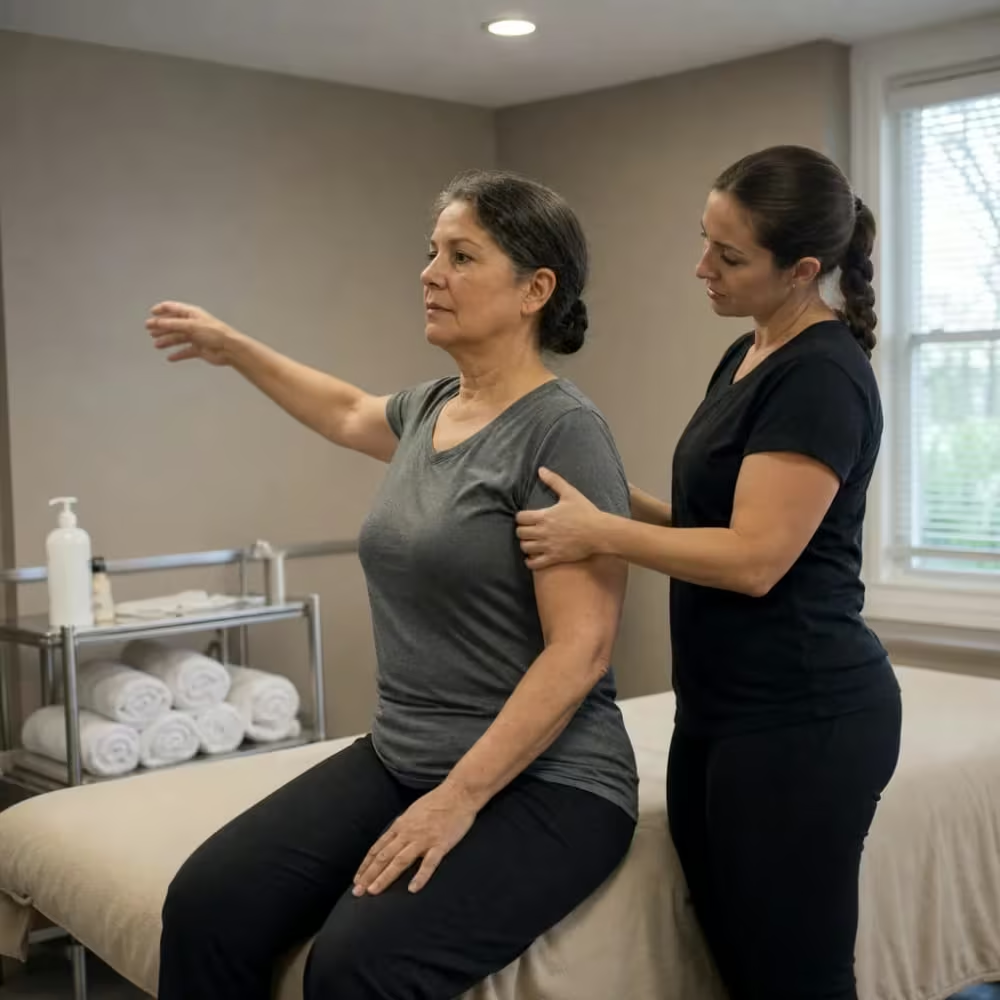
Deciding Between Sports Massage and Deep Tissue
These two get mixed up a lot, and it makes sense. Both can use firm pressure, and both go after tight spots. The real difference is what’s behind the tightness and what you need to do next. Deep tissue massage works slowly into the deeper layers of muscle to ease long-held tension. That’s the kind that builds from years of posture, stress, or old patterns your body has settled into. A sports massage is shaped around the activity you’re training for or recovering from, and around your timing.
Ask yourself where your tension came from. If you can point to a sport, a training block, or a big day on the trail, sports work is usually the better match. If the knot in your shoulder has been there since long before you laced up your boots, deep tissue may be what your body is asking for.
- Deep tissue may suit you best if your tightness is chronic, tied to how you sit, work, or carry stress, and doesn’t change much whether you’re active or not.
- Sports massage may suit you best if your soreness follows your training, you have an event or big hike coming up, or you’re trying to bounce back so you can get out again soon.
- Either can work if you’re simply curious and want firm, focused bodywork. Just share your goals, and the session can lean the right way.
Timing matters more than most people expect. Very slow, deep pressure can leave you a little tender for a day or two afterward. That’s fine on a rest week. It’s not what you want the night before a race or a long climb. Say you’re visiting Sedona for four days with a hike planned every morning. A sports session can keep your legs moving well between outings without leaving you achy for the next trail. Once the trip is over and you’re home resting, deeper work on that stubborn hip might fit better.
Here’s the honest part. If you’re not active right now and you mostly feel stiff from daily life, you probably don’t need a sports massage at all. Deep tissue, or even a gentler relaxing session, may serve you better. Booking the right kind of work for where you are matters more than the label.
You also don’t have to get the choice perfect before you arrive. The way Healing Hands Massage by Kris in Sedona approaches bodywork is to shape each session around the person on the table. A sports session can include deeper pressure on the one spot that truly needs it, and a deep tissue session can still respect a hike you have planned tomorrow. After more than 25 years of hands-on work, Kris can often feel what your muscles need once the session begins. The energy work she brings in can also help settle the tired, wired feeling that sometimes comes with hard training.
If you’re torn, tell Kris what you’ve been doing, how long the tightness has been there, and what’s coming up on your calendar. That’s usually enough to point you toward the right session.
That same focus carries through the practical healing hands massage by kris in sedona guidance our team provides to local families.
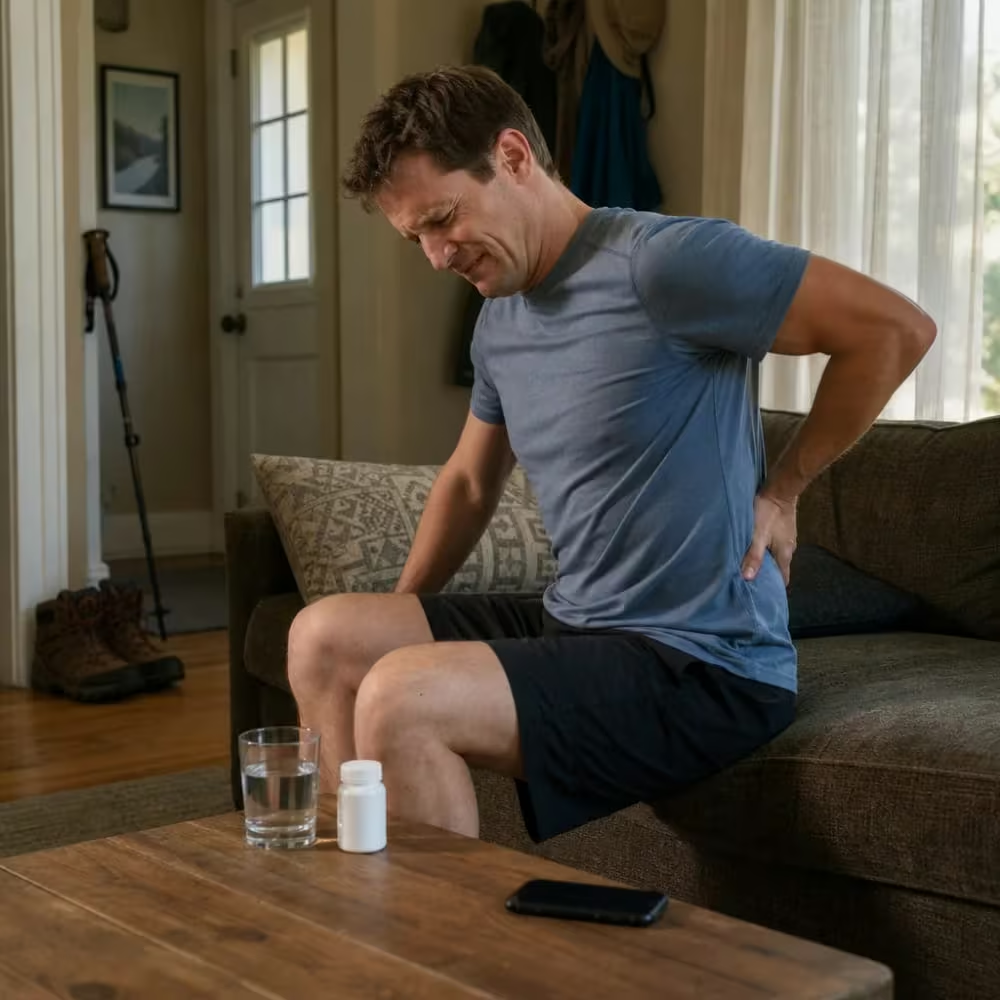
Signs You Can Wait or Should See a Doctor First
Not every ache needs a massage, and not every ache is safe to massage. Your body tells you a lot if you listen. Sometimes the kindest thing you can do is wait a few days. Other times, the right first stop is your doctor, not a massage table.
Soreness that shows up a day or so after a hard hike or a new workout is very common. It’s your muscles adjusting to work they aren’t used to. It usually feels dull and spread out, not sharp or pinpointed. It often eases as you move around and warm up, and it fades on its own over a few days.
You can probably wait, or skip a session for now, if:
- Your soreness is mild and feels about the same on both sides of your body
- It gets a little better each day without you doing anything special
- You can walk, climb stairs, and move through your normal day, even if it’s a bit stiff
- You know exactly why you’re sore, like a first long trail day after weeks off
- You’re not training for anything soon and you simply feel tired
In those cases, rest and time may be all you need. A massage can still feel wonderful, but you don’t have to book one to get better. That’s the honest truth.
Some signs point to something more than tired muscles. A misstep on a rocky descent or a fall on the bike can cause real injuries, and pressing on a hurt area can make things worse. Please check with a doctor before booking any massage if you notice:
- Sharp, stabbing, or sudden pain, especially if you felt a pop or a tear when it started
- Swelling, bruising, or heat in one spot, like a joint or the back of your calf
- Pain that’s getting worse instead of better after a few days
- Trouble putting weight on a leg, or a joint that feels loose or gives out
- Numbness, tingling, or weakness that runs down an arm or leg
- Pain in one calf with redness, warmth, or swelling, especially after a long trip or flight
- Fever, feeling unwell, or pain that doesn’t seem tied to any activity
- A recent surgery, fracture, or a health condition you’re being treated for
None of these mean massage is off the table forever. They mean you deserve a clear answer about what’s going on first. A doctor can tell you whether something needs rest, care, or time to heal before hands-on work is a good idea.
If you’re somewhere in between, trust that feeling. A little doubt is a good reason to pause and ask. Waiting a few days costs you very little. Pushing on an injury you didn’t know you had can set your recovery back by weeks.
Once you know your body is ready, and a doctor has said hands-on work is fine for you, a sports massage can be a caring part of getting back to the things you love. Be open about what happened, what you were told, and how you feel now. That honesty helps the session meet you exactly where you are.
Thinking about Sports Massage?
Let’s talk.
Book A Massage. Healing Hands Massage by Kris in Sedona is ready to help.
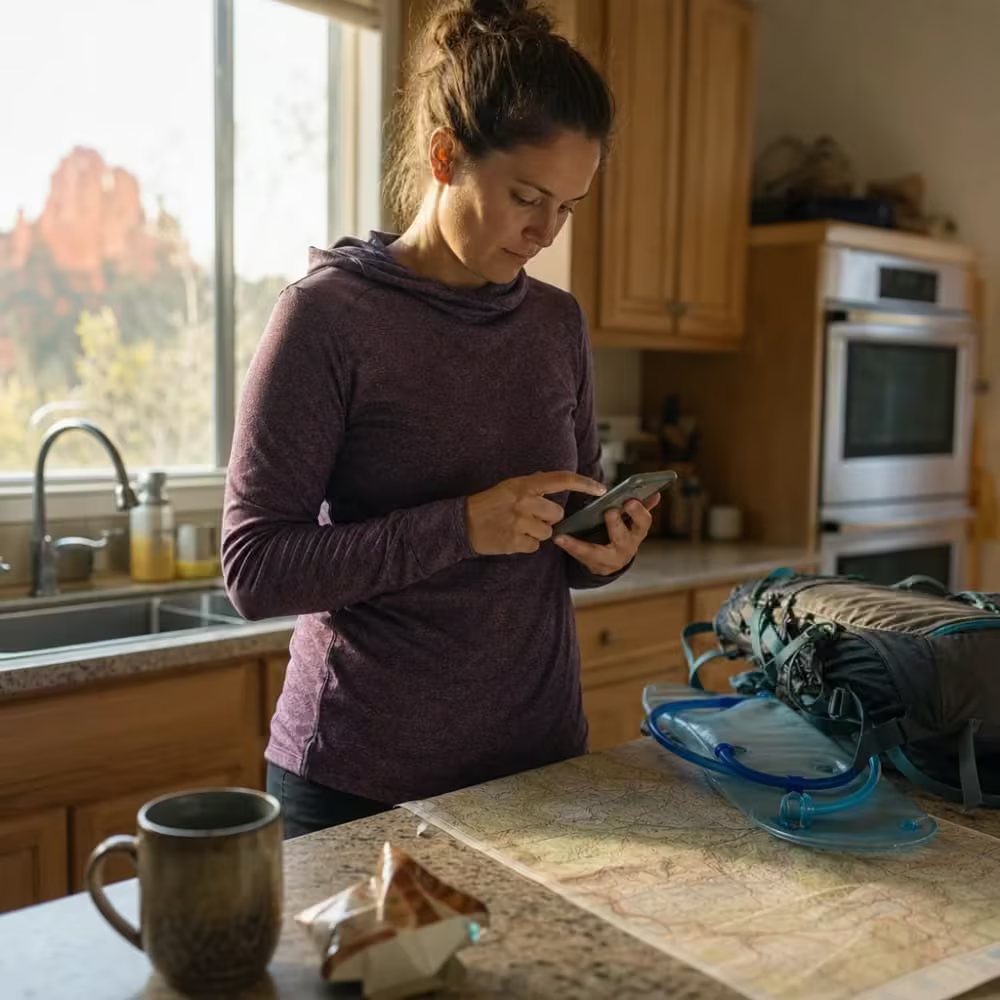
Booking Around a Sedona Hike or Trip
The best time for your session depends on what your days look like. A trail plan, a race, or a long drive in or out of town all shape when bodywork will help you most. A little planning lets your massage support your trip instead of competing with it.
Spring and fall are when Sedona fills up. The weather is mild, the trails are busy, and many people want the same evening times after a day outside. If you’re coming during those months, it helps to reach out before you arrive, not the afternoon you get back from the trail. Summer brings a different rhythm. The heat pushes many hikers onto the trail at sunrise, so they’re done and resting by midday. That can open up a relaxed afternoon for your session while the red rocks bake outside.
Think about which outing matters most to you. If you’re working up to a steep scramble like Cathedral Rock, or a long day out to Devil’s Bridge, you may want your legs feeling loose and fresh going in. A lighter session a day or so before can help you feel ready without leaving you tender. If the big day is behind you, a session afterward can help tired quads and calves recover after all that climbing and braking on slickrock. Some people like one of each. Tell Kris which day means the most to you, and the work can be shaped around it.
Your trip starts before the first trail. Hours in a car or on a plane can leave your hips stiff, your low back cranky, and your neck tight before you’ve taken a single step. A session early in your stay can help you shake off the travel and settle into being here. At the other end, a session near the close of your trip can ease the strain of all your hiking before you sit for a long ride home.
You can come to the West Sedona studio, or Kris can come to your home or lodging. If you’re staying at a resort or rental and your legs are done for the day, having the session come to you means you can shower, rest, and simply lie down when it’s over. If you’d rather step out for a bit and have quiet time in a calm space, the studio may feel just right.
When you reach out, a few details help Kris plan a session that fits your trip:
- The dates you’re in Sedona and the days you have big hikes or rides planned
- Which trails or activities you’re doing, and whether any are new to you
- Where you feel tight or sore right now, if anywhere
- Whether you’d like to come to the studio or have Kris come to your lodging
- Anything you’d like the session to support beyond your muscles, like feeling calmer, more grounded, or less wired after a big day
You don’t need every answer worked out. Even a rough plan is enough to start. With more than 25 years of shaping sessions around each person, Kris can help you find the timing that lets you enjoy every trail you came for.
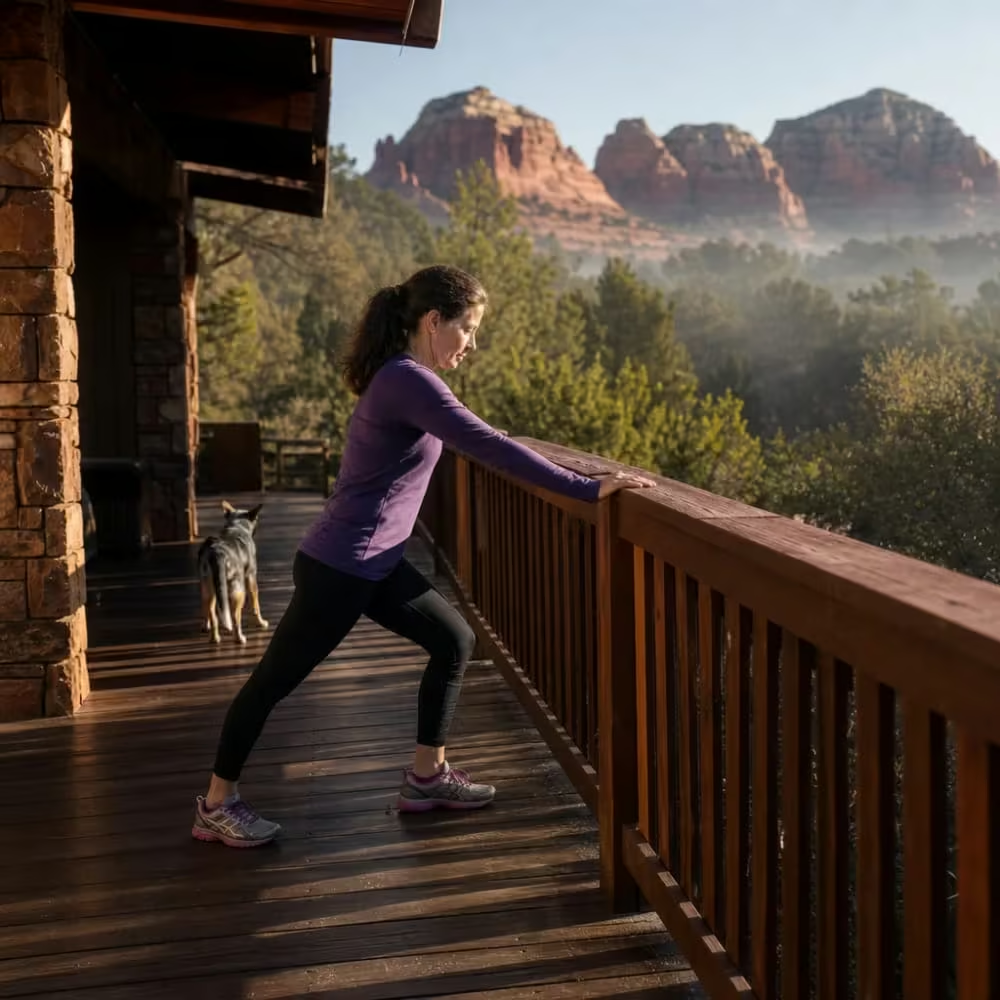
What a Customized Sports Massage Session Involves
A customized session doesn’t follow a script. It follows your body. The same person can need very different work from one visit to the next, because your legs after a quiet rest week aren’t the same legs you have after three straight days of climbing. The goal is to meet the body you bring in that day.
In general, sports massage moves between a few kinds of touch. Broad, flowing strokes warm up the muscles and help your body settle. Slower, more focused work can stay on one spot that’s been holding on, like a tight band along the outside of your thigh or a knot near your shoulder blade. Some sports work also includes gentle movement of a joint or an easy stretch. How much of each you get depends on what your muscles are telling the hands working on them.
Firm work can feel intense, and some people like that “good hurt” feeling. It still shouldn’t make you hold your breath, clench your jaw, or pull away. If you notice yourself bracing, the pressure is more than your body wants right now. Easing off often helps a muscle let go faster than pushing harder.
You’re part of the session, not just the person lying there. It’s always okay to speak up if:
- The pressure feels too strong, or not strong enough
- A spot feels sharp, strange, or different from the soreness you expected
- You’d like more time on one area, or less on another
- You feel cold, need to shift, or want a pillow somewhere
- Something comes up emotionally and you need a moment
That last one surprises people. Tired bodies sometimes hold more than tired muscles, and it’s normal to feel a wave of emotion when a long-held spot finally softens. Because Kris weaves energy work into her sessions, parts of your time may feel quiet and still. That stillness is part of the work, not a break from it.
A few small things can help you get the most from your time. Wear something comfortable and easy to move in, especially if you’re coming straight from the trail. Eat lightly beforehand so you’re not starving or overly full. Let Kris know about any medications, recent injuries, or health changes, even if they seem small. If you’re prone to feeling chilled after a cold morning hike, mention it.
Afterward, you might feel loose and light, or pleasantly sleepy. Areas that got focused attention may feel a little tender for a short while, much like the deeper work described earlier. Many people like to drink some water, take a slow walk, or simply rest for the evening. If you’re in Sedona, a gentle stroll at sunset can be a lovely way to let your body take in the work before your next day outside.
Most of all, you don’t have to know the right words or the right technique. Share how you feel, and the session can grow from there. Over 25 years of hands-on work means Kris is comfortable adjusting as you go, so the session keeps fitting you from the first stroke to the last.
Ready to Get Started?
Book A Massage. Call 9288212877 today.
Frequently Asked Questions
Common questions about Sports Massage
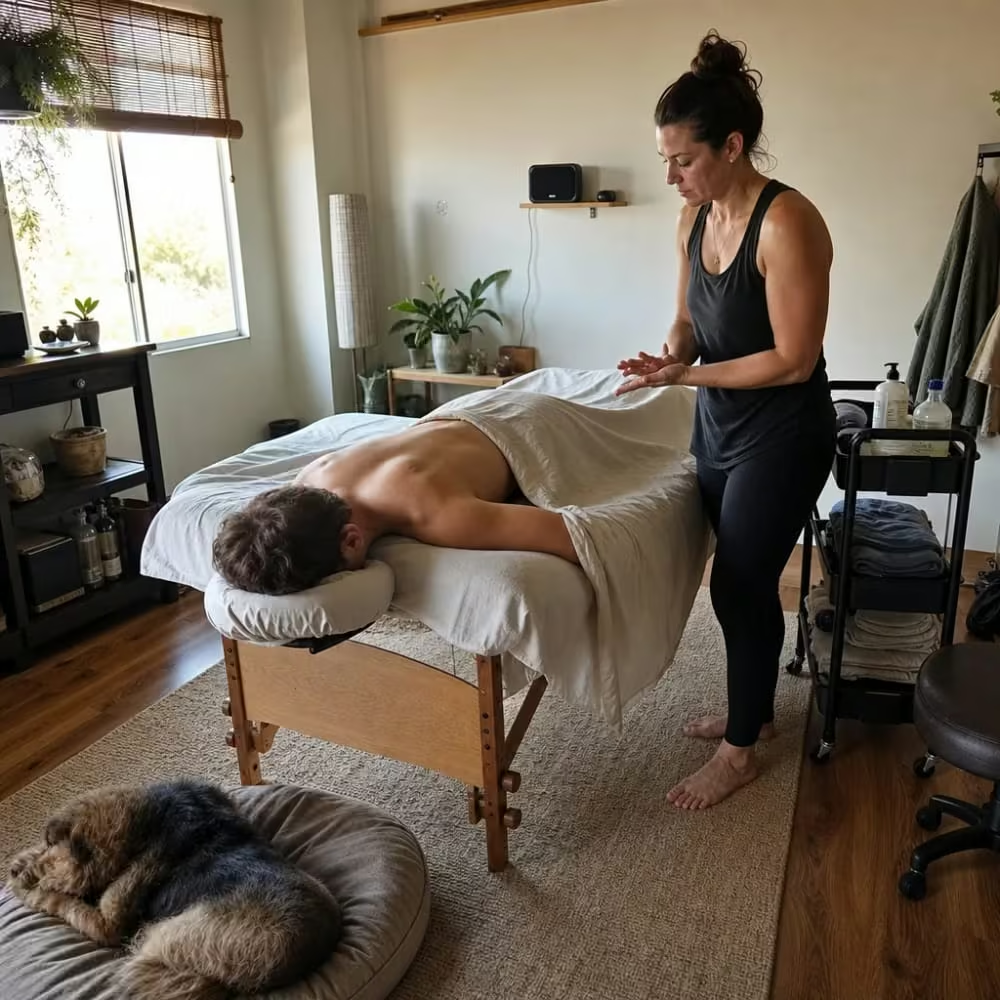
Is a sports massage better than a deep tissue massage?
Neither one is better overall, they just serve different needs. Sports massage is shaped around an activity, like a trail day or a training block, while deep tissue targets long-held tension that builds up over months or years regardless of how active you are. If your tightness follows your hiking or riding, sports massage is the better match. If it’s been there since long before you laced up your boots, deep tissue may serve you better.
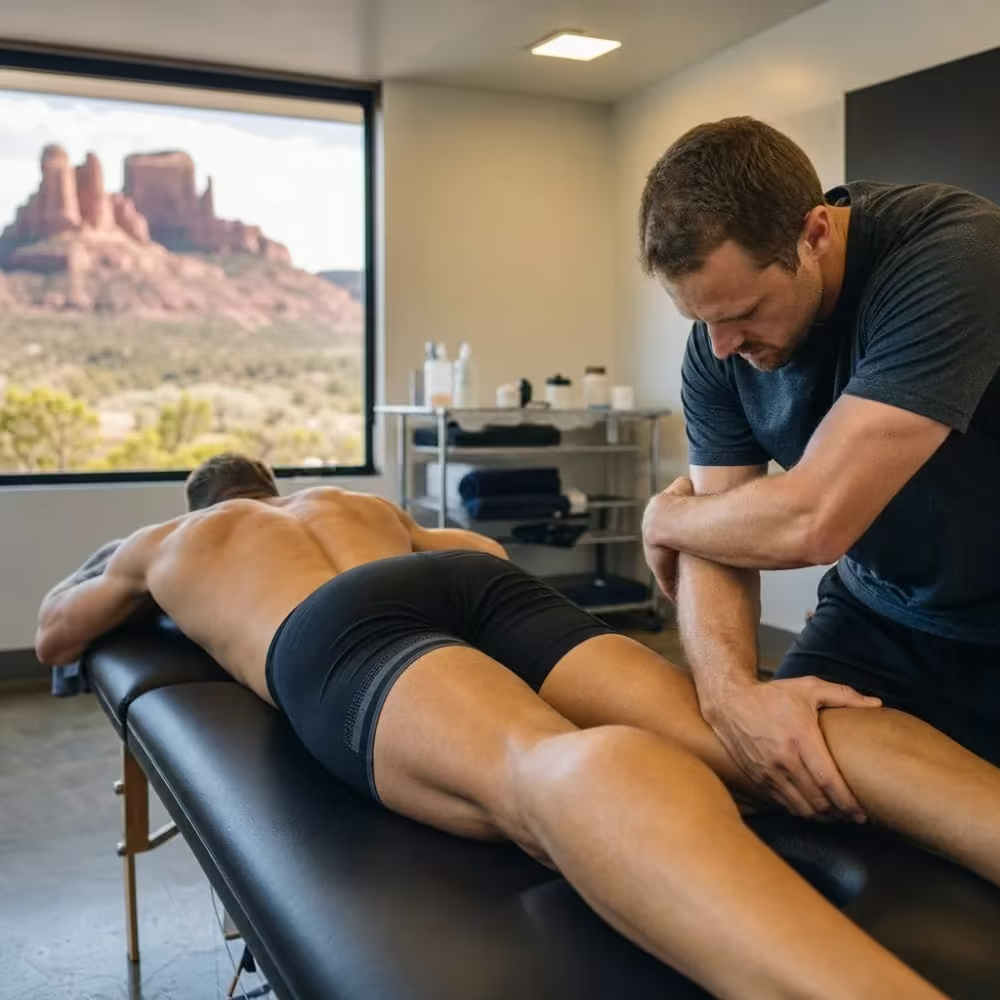
How much should you tip for a massage?
Tipping is a personal choice, and many clients tip based on how the session felt and their own budget. A common approach is figuring a percentage of the session cost, similar to how people tip for other personal services. Since it varies so much person to person, the best move is simply asking what feels right for you rather than following a strict rule.