Service
Swedish Massage
✓ 25+ years of professional experience
What’s Covered on This Page
What Happens During a Swedish Massage Session
Why Sedona Visitors and Locals Choose This Gentle Option
Massage Is a Legitimate Answer to Everyday Stress
How Relaxation-Focused Touch Calms the Body
General Wellness Benefits People Notice After a Session
Getting Ready for Your Appointment and What It Costs
How do I know if my stress is physical or just in my head?
Will Swedish massage hurt if I’m already tense?
How many sessions does it take before I notice a real difference?
Does hiking around Sedona make stress massage more effective?
Is Swedish massage only for tourists visiting Sedona, or do locals use it too?
What’s the difference between Swedish massage and deep tissue work for stress?
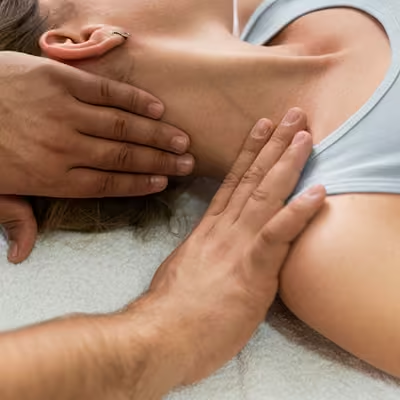
What Happens During a Swedish Massage Session
It starts with a conversation. Nothing long. We ask how you slept, where you feel tight, and whether anything is sore or healing. If you’d rather skip your feet or your scalp, say so now and it’s done. People are often surprised they get a vote.
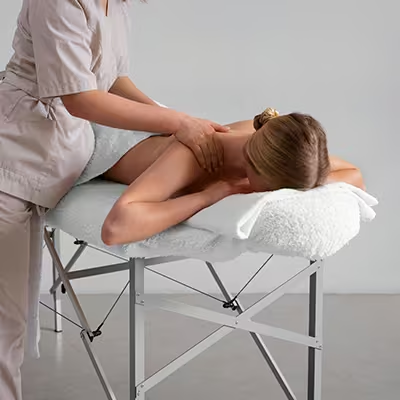
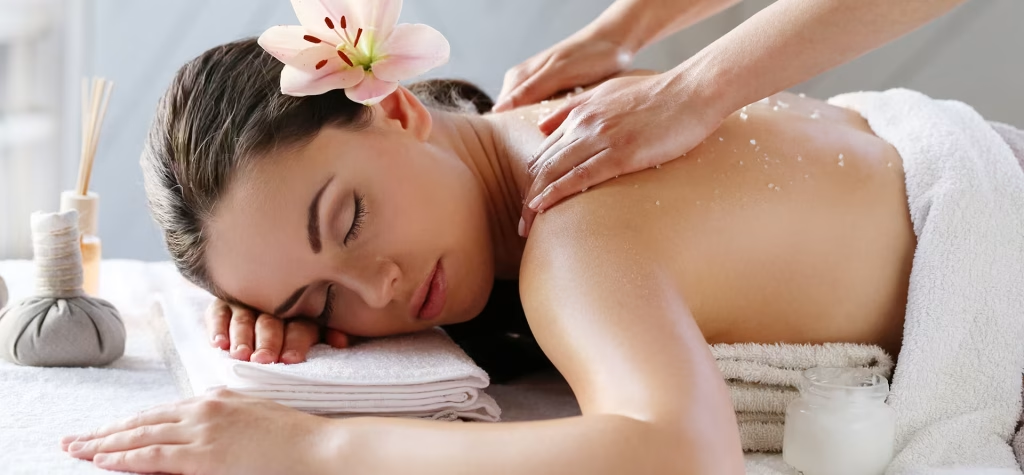
Then we step out while you get on the table. You undress to whatever level feels okay to you, and you’re under a sheet the entire session. Only the part being worked on gets uncovered. That’s not a preference, it’s standard draping, and it doesn’t change no matter who’s on the table.
Most folks are face down to start.
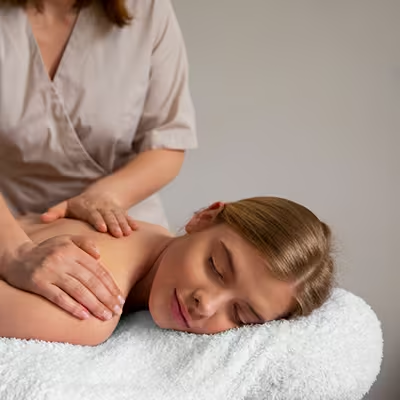
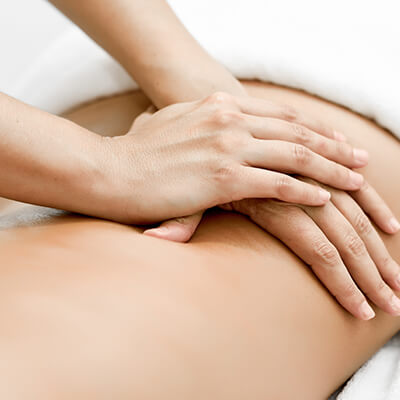
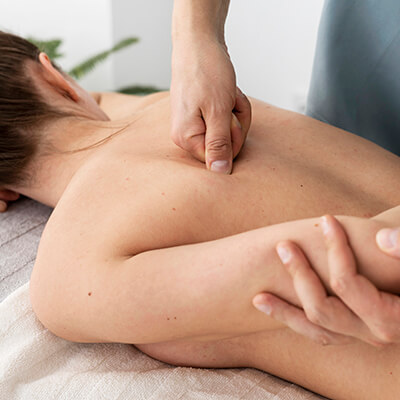
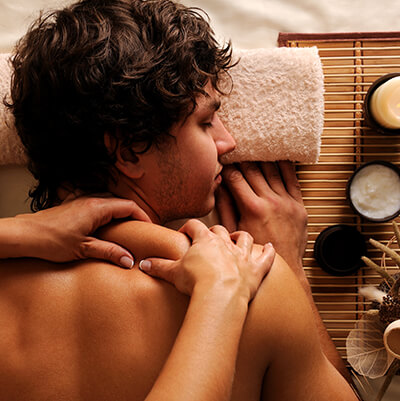
The work itself is long, gliding strokes with warm oil, usually starting at the back and shoulders and moving down. Pressure stays light to medium. You should feel like you’re sinking, not bracing. If something feels too firm, or not firm enough, just say it out loud. We’d rather adjust ten times than have you lie there gritting your teeth for an hour.
Talking is optional. Some people chat, most go quiet within five minutes, and a fair number fall asleep and jerk awake later a little embarrassed. That’s normal, it happens every week.
Afterward you get a few minutes alone to sit up slowly and get dressed. Take them. Sedona sits above 4,300 feet and the dry air here pulls water out of you fast, so drink more than you think you need for the rest of the day. Expect to feel loose and a little floaty. If you’ve got a hike planned, push it to tomorrow.
Why Sedona Visitors and Locals Choose This Gentle Option
People arrive here wrung out. Some drove up 179 through the switchbacks. Some flew in, rented a car, and hiked Cathedral Rock the same afternoon at 4,350 feet of elevation when they live at sea level. That combination does something to a body. Shallow breathing, tight shoulders, legs that feel heavier than they should. And the fix most folks need isn’t more intensity. It’s less.
Swedish massage works for that. The long gliding strokes and steady rhythm give your nervous system permission to stand down. You’re not bracing. You’re not counting breaths waiting for a spot to release. You just lie there and let it happen.
Locals come in for a different reason, same solution. Sedona’s dry air and sun mean a lot of us are quietly under-hydrated and stiff by Thursday. Add desk work, a long drive to Flagstaff or the Valley, and sleep that never quite gets deep. Swedish massage handles that kind of everyday wear without leaving you sore for the next two days.
Here’s who tends to pick it:
- First-timers who’ve never been on a massage table and want something unintimidating
- Visitors on a short trip who don’t want to lose a day feeling tender
- Anyone whose main complaint is stress, poor sleep, or general tightness rather than one stubborn injury
- People who just finished a big hike and want circulation and calm, not more pressure on tired legs
Nine times out of ten, the person who books thinking they need something aggressive wanted this. They wanted to stop holding everything.
Massage Is a Legitimate Answer to Everyday Stress
Most people book a Swedish massage after they’ve already tried everything else. Better sleep habits. Less coffee. A walk at sunset out past the red rocks. Those things help. But they don’t touch the tension sitting in your shoulders and jaw.
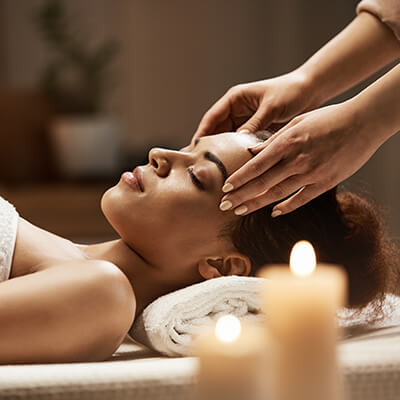
Stress isn’t only a feeling. It’s physical. Your muscles tighten, your breathing gets shallow, and your body stays on alert long after the stressful thing has passed.
And that’s the part massage reaches.
The Mayo Clinic notes that massage is widely used to help with stress and tension, and it’s increasingly treated as part of regular wellness care rather than a rare treat. I see that shift in the room all the time. People used to book once a year on a birthday. Now they book because their neck hurts every Thursday and they’re tired of it.
Here’s the thing about everyday stress: it’s sneaky. It doesn’t announce itself. It shows up as small physical complaints you learn to ignore.
Watch for these signs your body is holding more than you realize:
- Shoulders that creep up toward your ears while you work
- A jaw that aches in the morning from clenching overnight
- Tight neck muscles that make turning your head feel stiff
- Shallow, high chest breathing instead of slow belly breathing
- Trouble falling asleep even when you’re exhausted
None of those are emergencies. That’s exactly why people let them pile up for months.
I had a client last spring who worked front desk at a busy Sedona resort through the whole tourist season. She came in convinced she just needed to “push through” until fall. Twenty minutes into a Swedish session, her breathing changed on its own, she didn’t even notice it happen. That’s the nervous system letting go. You can’t force it with willpower.
So why does Swedish massage fit this so well? Because the technique is designed around calm, not correction. Long gliding strokes. Broad, even pressure. A steady rhythm your body can settle into. There’s no bracing, no gritting your teeth through a tough spot.
Deeper styles have their place for specific knots and injuries. But if your main complaint is “I’m just tense all the time,” relaxation-focused work is the better match.
But here’s what most people don’t realize until they’ve had a few sessions. The benefit isn’t just the hour on the table. It’s the two or three days afterward when your shoulders stay down and your sleep gets deeper. That carryover is the real value.
Stress in Sedona looks a little different than it does in a big city. Long shifts during high season. Drives up 89A that take twice as long in March. Beautiful place, still busy lives.
And your body keeps score either way.
How Relaxation-Focused Touch Calms the Body
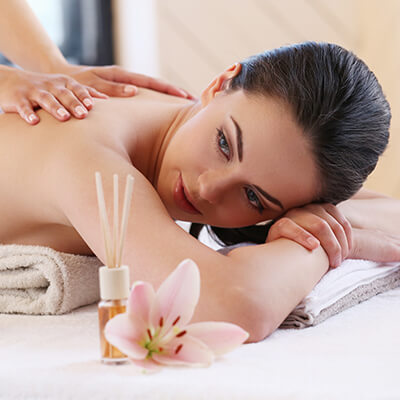
Stress lives in the body, not just the head. You feel it in your jaw. Your shoulders creep up toward your ears and stay there. Swedish massage works on that pattern directly, using long gliding strokes and steady pressure instead of sharp, digging work.
The pace matters more than most people expect. Slow, predictable touch tells your nervous system it’s safe to stand down.
But why does speed change anything? Your body reads touch the way it reads a room. Fast and unpredictable puts you on alert, slow and repeated does the opposite. That’s the whole idea behind relaxation-focused work, it’s less about forcing muscles open and more about giving your system permission to let go.
Here’s what people commonly notice during and after a session like this:
- Breathing slows and drops lower into the belly instead of staying high in the chest
- Shoulders settle down away from the ears without you consciously trying
- The mental chatter quiets, and some people drift off entirely
- Tight areas feel warmer and easier to move afterward
- Sleep that night tends to come faster
None of that is magic. It’s your body doing what it already knows how to do, once nothing is demanding its attention.
We see this mistake all the time. Someone books a massage expecting it to hurt, because they think pain equals results. Then they’re surprised when the gentle work leaves them feeling looser than the aggressive session they got somewhere else. Pressure has its place, and it isn’t the only tool that works.
A common Sedona scenario: someone spends the morning on Cathedral Rock, drives back into town with tight calves and a head full of nothing but red rock, and books a session for that afternoon. They come in already halfway relaxed. The massage finishes the job. Different visitor, different story, but that pattern repeats constantly around here.
And it works the other way too. Locals who sit at a desk all week carry a different kind of tension, more upper back and neck, less legs. The strokes shift to match. The goal stays the same.
Explore Swedish massage
One more thing worth knowing. The effect builds. A single session feels good for a day or two, regular sessions change your baseline. Most people don’t realize this until they’ve had three or four and notice they’re not clenching their jaw at red lights anymore.
That’s the part nobody advertises, it’s quiet and slow and easy to miss. But it’s the real benefit.
General Wellness Benefits People Notice After a Session
Most people walk off the table saying the same thing. “I didn’t realize I was holding all that.” That’s the part nobody tells you about Swedish massage and bodywork in general. You don’t notice the tension until it’s gone.
Stress lives in the body. It shows up in your jaw, your shoulders, the little strip of muscle along the base of your skull. A good session gives that stuff somewhere to go.
Here’s what folks tend to notice in the hours and days after.
- Shoulders that finally drop away from the ears, sometimes for the first time in weeks
- Easier, deeper breathing, because the chest and ribs aren’t braced anymore
- Better sleep that same night, which is the benefit clients bring up most often
- A quieter head, less of that looping mental chatter
- More range in the neck and hips when you turn or reach
That sleep one surprises people. But it makes sense. Your body can’t downshift into rest when it’s still running a low-grade alarm all day.
And the mental piece is real. An hour with no phone, no screen, no one asking you anything is rare now. The touch matters, sure. So does the permission to stop.
I had a client come in last spring after hiking Cathedral Rock two days in a row. She figured she needed something intense. What she needed was to unclench. Slow, flowing work. She fell asleep about twenty minutes in, woke up embarrassed, then told me it was the best nap she’d had all year.
That’s the thing people get backwards. Harder pressure doesn’t equal better results.
Swedish massage is built around this exact outcome. Long strokes, steady rhythm, warm hands, no fighting the tissue. The nervous system reads that as safety and lets go on its own. We see this all the time in the studio, the muscles soften before the therapist ever has to push.
There’s also a circulation benefit worth mentioning. The flowing strokes move blood and fluid toward the heart, so people often report feeling less puffy and heavy in the legs afterward. Nothing dramatic. Just lighter.
Sedona’s dry air and elevation add another wrinkle. Visitors hike hard, sleep poorly at altitude, then wonder why they feel wrung out on day three of vacation. Locals deal with a slower version of the same thing year round. Hydrating well before and after a session helps a lot here, more than most people expect.
Call now
One more honest note. Benefits stack. A single session feels great, no question. But people who come in every few weeks describe something different, a baseline that just sits lower. Less reactive. Less braced against the day.
You don’t have to commit to that right away. Start with one and see what your body tells you.
See How We Handle Swedish Massage in Sedona
Healing Hands Massage by Kris in Sedona
Getting Ready for Your Appointment and What It Costs
Show up a few minutes early. That’s really it. But there are a handful of small things that make a Swedish massage session better, and most folks don’t hear about them until they’re already on the table.
Drink water before you come. Skip the big meal in the hour beforehand. And if you’ve been hiking Sedona’s redrock trails that morning, rinse off the dust and give your legs twenty minutes to cool down first. Hot muscles and lotion don’t mix well.
- Tell us about any injuries, surgeries, or sore spots before we start, not halfway through
- Wear something easy to change out of, you’ll be draped with a sheet the whole time
- Speak up about pressure, temperature, or music at any point during the session
- Leave your phone in your bag on silent
You’ll undress to whatever level feels right to you and get under the sheet. Only the area being worked on is uncovered. Nothing else. People ask about this constantly and I’d rather answer it here than have someone lie awake worrying about it.
Now, the money part.
Massage in this industry is almost always priced by session length. Sixty minutes, ninety minutes, sometimes thirty for a focused session. Longer sessions usually cost less per minute than short ones. That’s the basic shape of it across the whole trade.
A few things push cost up or down: how long the session runs, whether you’re coming to a studio or having someone travel to you, and whether add-ons like hot stones or aromatherapy are included. Mobile and in-room service at Sedona resorts typically runs higher than studio visits because of travel and setup time.
Before you book anywhere, ask three things. What’s included in the stated time, is that hands-on time or door-to-door, and is gratuity expected separately? Good answers to those tell you a lot about who you’re dealing with.
Ready to Get Started?
Call (928) 821-2877 now for a free estimate.
Frequently Asked Questions
Common questions about Swedish Massage
How do I know if my stress is physical or just in my head?
Stress almost always shows up in your body, even when it starts as a feeling. Watch for shoulders creeping toward your ears, a sore jaw in the morning, or shallow chest breathing instead of slow belly breaths. If you notice these signs piling up for weeks, your body is holding tension you may not consciously feel. That’s a clear signal it’s time to look into Swedish massage for stress relief rather than waiting it out.
Will Swedish massage hurt if I'm already tense?
No, Swedish massage is not meant to hurt, even when you’re carrying a lot of tension. It uses long gliding strokes and steady pressure instead of deep digging work. A lot of people expect pain to mean progress, but gentle, relaxation-focused touch often leaves you looser than a rougher session would. If your main issue is everyday tightness rather than a specific injury, this gentler approach is usually the better fit.
How many sessions does it take before I notice a real difference?
Most people feel relaxed for a day or two after one session, but the real change builds after three or four visits. Regular sessions shift your baseline, so you stop clenching your jaw at red lights or carrying your shoulders up near your ears. It’s a slow, quiet change rather than something dramatic. If you’re deciding whether to start, that carryover effect is worth knowing before your first appointment.
Does hiking around Sedona make stress massage more effective?
Yes, being active outdoors before a session can help your body settle in faster. Someone who spends the morning on Cathedral Rock and comes in with tight calves is often already halfway relaxed from the fresh air and movement. The massage just finishes what the hike started. Locals who sit at a desk all week carry tension differently, usually in the neck and upper back, so the approach shifts to match your day.
Is Swedish massage only for tourists visiting Sedona, or do locals use it too?
Locals use it just as much as visitors, though the reasons differ. Tourists often come in after a long drive up 89A or a full day of hiking, while locals tend to book because of desk work, long shifts, or the general pace of life here. Either way, the stress your body carries doesn’t care where you live. If you’re local and dealing with tight shoulders or a sore neck most weeks, it’s worth exploring Swedish massage as a regular part of your routine.
What's the difference between Swedish massage and deep tissue work for stress?
Swedish massage focuses on calm and relaxation, while deep tissue work targets specific knots or injuries with more pressure. If your main complaint is feeling tense all the time rather than one problem area, relaxation-focused massage usually fits better. Deeper styles have their place, but they’re not built around helping your nervous system settle down the way Swedish massage is. Most people dealing with everyday stress get more relief starting here.