
Service
Trigger Point Therapy in Sedona:
Finding the Right Fit for Your Pain
What’s Covered on This Page
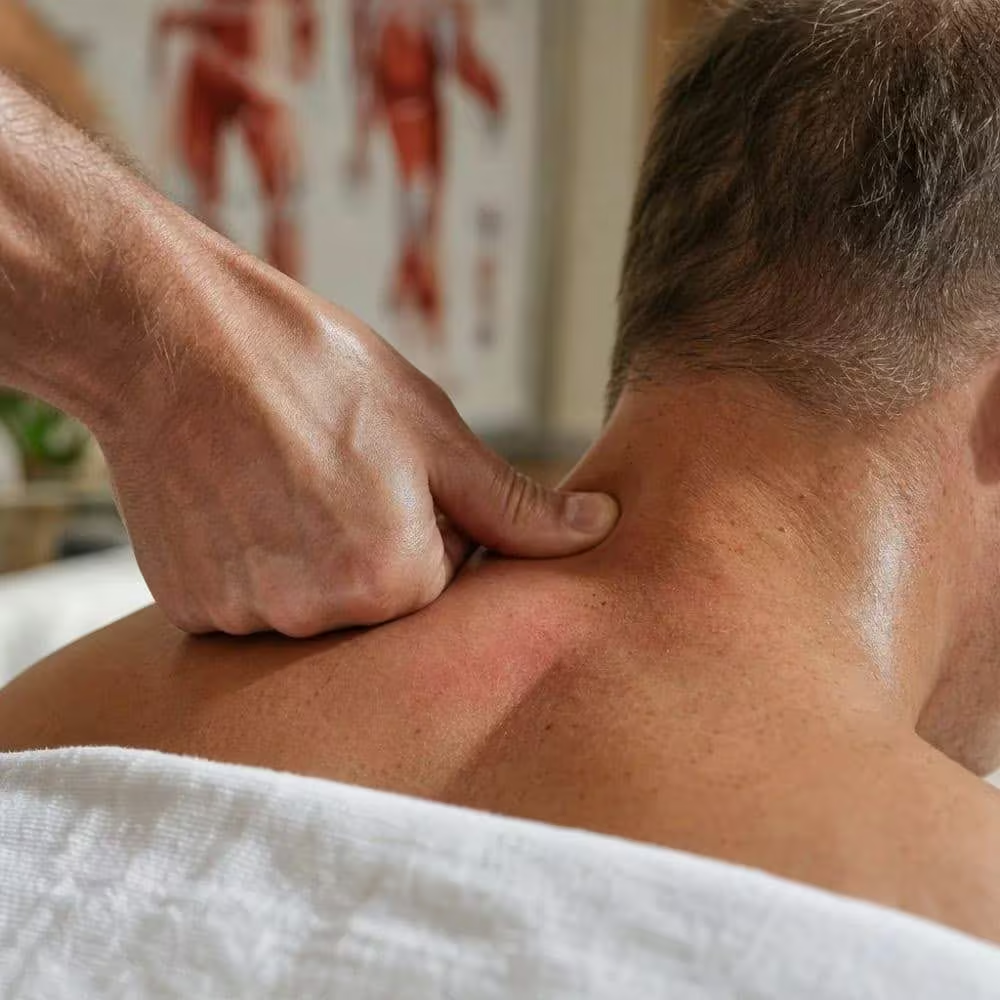
Trigger Point Therapy Targets Specific Knots, Not General Relaxation
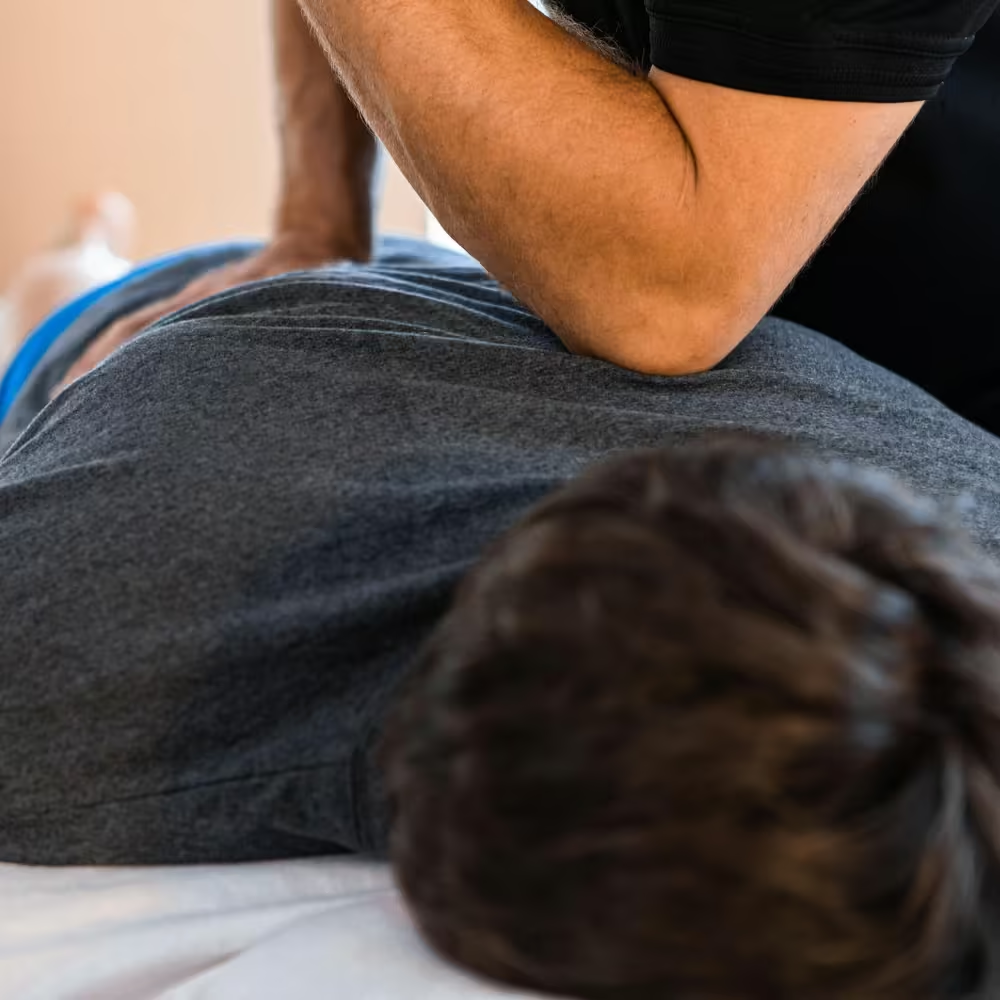
Signs Your Pain Points to a Trigger Point
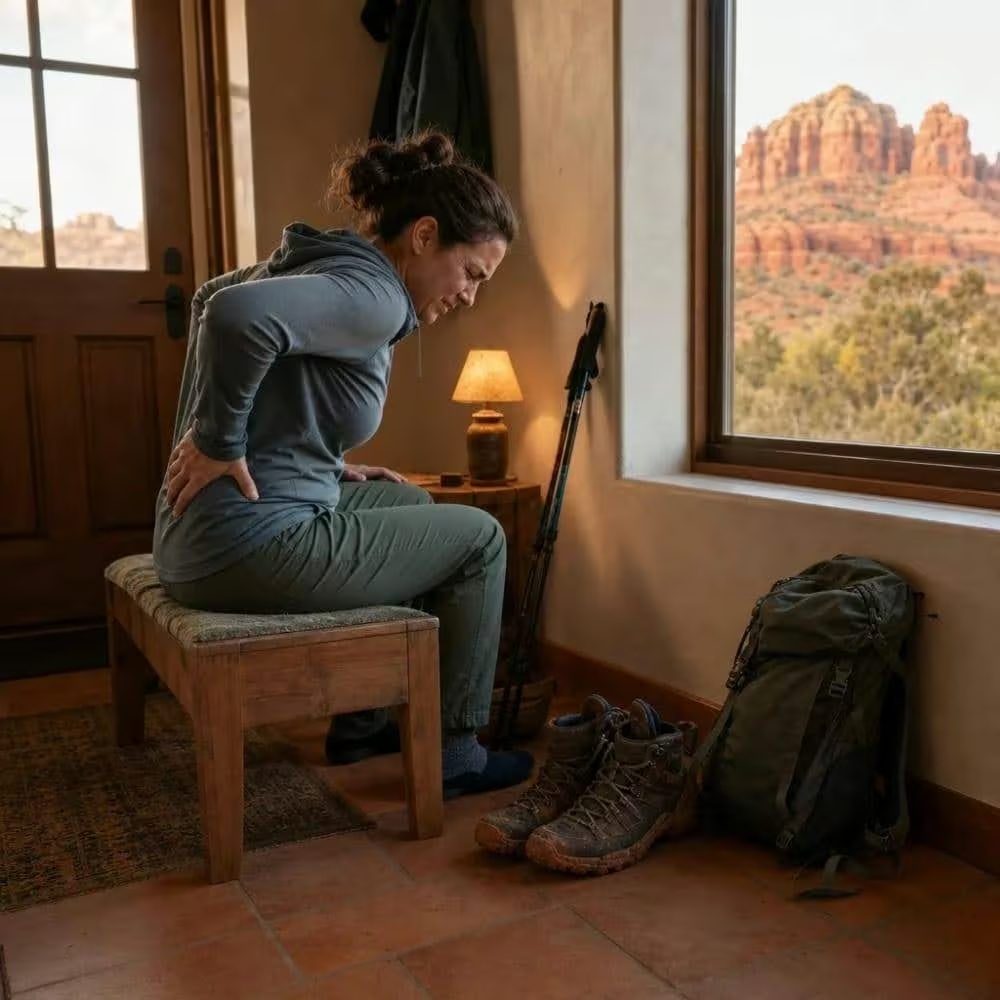
Outdoor Activity Around Sedona Can Strain Muscles
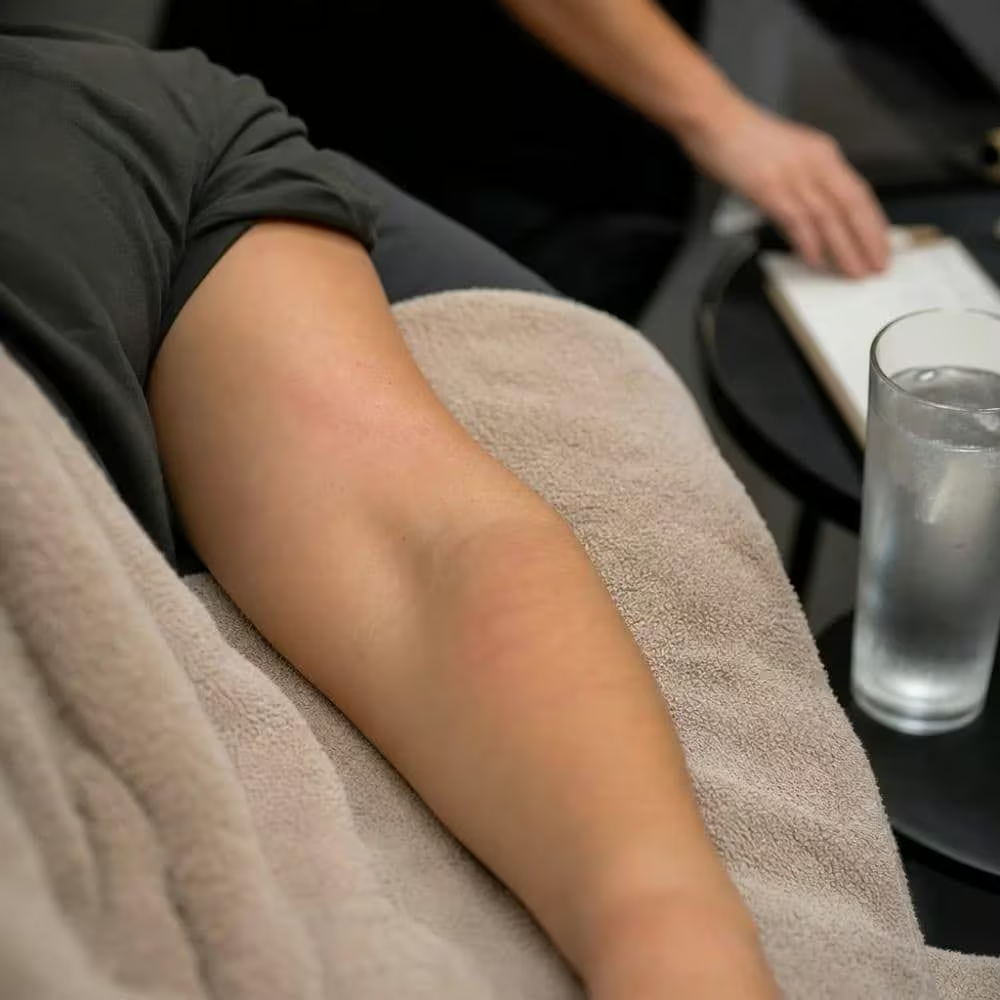
What Happens During a Customized Trigger Point Session
Mild Soreness Is Common, Lasting or Radiating Pain Is Not
Can massage really work out a myofascial trigger point, or does it just feel good temporarily?

Trigger Point Therapy Targets Specific Knots, Not General Relaxation
Trigger Point Therapy works on the small, tender knots that keep a muscle tight and can send pain to other parts of your body. A relaxation massage soothes you all over. This work finds the spot behind your ache and stays with it until it starts to let go.
Trigger Point Therapy is for the ache that keeps coming back. A trigger point is a small, tight spot inside a muscle. You might feel it as a hard little knot or a ropy band that’s tender when someone presses on it. Here’s the tricky part: it doesn’t always hurt where it sits. A knot near the top of your shoulder can send a dull ache up your neck and into your head. A tight spot in your hip or low back can show up as pain somewhere else entirely.
That’s why a lovely relaxation massage can leave you feeling wonderful while the same ache is back by the next morning. Long, flowing strokes calm your whole body, but they don’t always reach the one spot that’s keeping the pattern in place. Trigger point work slows down and goes looking for it.
- Focus: the attention goes to a few specific spots instead of spreading evenly over your whole body.
- Pressure: steady, held pressure on the knot itself takes the place of gliding strokes.
- Your feedback: you help guide the work. When a spot feels tender, or your familiar ache shows up somewhere else, that’s a strong clue the right place has been found.
- The feeling: it can be intense in a ‘good hurt’ kind of way. Good trigger point work stays within what you can breathe through and relax into, never something you have to brace against.
Finding the real source takes a trained, patient touch. The place you point to isn’t always where the trouble starts. I’ve spent more than 25 years doing this work, since graduating with honors from the Swedish Institute of Massage in New York City. That time has taught my hands to follow a pain pattern back to where it begins and not just chase the sore spot.
Every session is shaped around you. Some days your body needs deep, focused work on one stubborn knot. Other days it needs that work balanced with gentler touch so you can fully let go. Because I bring energy work like Usui Reiki and Karuna Reiki into my sessions, we can also make room for the quieter, deeper healing that sometimes sits underneath a muscle that won’t release. Your body, mind, and spirit are all part of the same story.
You might be a good fit for this work if one shoulder keeps creeping up toward your ear, if you get tension headaches that start at the base of your skull, or if a sore spot flares up every time you’re active or under stress. You can come to my West Sedona studio, or I can come to your home or lodging. That’s especially handy if you’re visiting and would rather not get back in the car after your session.
Signs Your Pain Points to a Trigger Point
Your body usually leaves clues long before you book a session. You just have to know what you’re looking for. Here are the signs that tend to point toward a trigger point and away from simple tiredness or a bad night’s sleep.
- The ache is dull and deep, and it’s hard to point to with one finger. You find yourself rubbing a whole area and never quite reaching the spot.
- Rest helps a little but never fixes it. You take a quiet weekend, and by Tuesday the same ache is back.
- Stretching feels good for an hour or so, then the tightness creeps back in.
- A muscle feels stiff or a bit weak for no clear reason. Maybe you can’t turn your head all the way to one side, or your arm feels tired when you reach for a high shelf.
- You can press on a tender spot yourself and feel your familiar ache wake up, sometimes in a place you weren’t even touching.
Picture this. You’re driving, and every time you turn to check your blind spot, the left side of your neck pulls. You reach up and press near the top of your shoulder, and there it is. A small, sore spot, and a dull ache that drifts up behind your ear. That moment of “oh, that’s it” is one of the clearest signs there is.
Trigger points also love habits. Think about what your body does over and over each day. Long hours at a desk or on your phone. Carrying a bag on the same shoulder. Sleeping curled on one side. A favorite activity you never skip. Muscles that hold the same position or repeat the same motion for years often build up these tight spots. If your ache follows your routine, getting worse after certain tasks and easing on your days off, that pattern is worth noticing.
Stress belongs on this list too. Many people tighten the same muscles when life feels heavy, often the shoulders, jaw, or upper back, without realizing it. If your ache flares during hard weeks, your body may be holding more than physical strain. This is where the energy work I mentioned earlier can quietly support the hands-on work.
Not every pain is a knot, though, and I’d rather tell you that. If your pain started with a fall or injury, or it simply feels different from a muscle ache, please check in with your doctor first. Massage can still be part of your healing later, but it’s important to know what you’re working with.
When you reach out to Healing Hands Massage by Kris in Sedona, it helps to share what you’ve noticed. Tell me where it aches, when it gets worse, and what you’ve already tried. Those small details help me know where to begin looking, so your session goes straight to what your body needs.
If several of these signs sound familiar, your body may be asking for this kind of focused, patient care. I’d love to hear what you’re feeling. Reach out whenever you’re ready, and we’ll talk it through together.
That same focus carries through the practical healing hands massage by kris in sedona guidance our team provides to local families.
Outdoor Activity Around Sedona Can Strain Muscles
Sedona asks a lot of your body. The trails here climb steeply, drop just as fast, and wind over loose rock and uneven red stone. Your muscles work hard to keep you balanced with every step. That’s part of the joy of being out here, and it’s also why so many active people end up with a few stubborn knots by the end of a trip or a season.
Here’s where outdoor days tend to leave their mark:
- Calves and the fronts of your thighs. Long climbs load your calves, and steep downhills make your thigh muscles brake the whole way down. That braking work is often what leaves you sore the next day.
- Hips and glutes. Stepping up onto rock ledges and keeping your balance on uneven ground keeps these muscles working nonstop. A tight spot here can show up as an ache in your low back or down the side of your leg.
- Neck and upper back. You spend a lot of a rocky hike looking down at your footing. Add a daypack pulling on your shoulders, and the muscles between your neck and shoulder blades can stay tight for hours.
- Forearms, shoulders, and hands. Scrambling up rock uses your arms more than you’d expect. If you ride a mountain bike, gripping the bars over bumpy ground does the same.
- Your feet. Hard, uneven rock asks the small muscles in your feet to grip and adjust all day.
Visitors often feel this most. When you’re on vacation, you want to see everything, so you might hike two or three days in a row when your body is used to a walk around the block back home. Muscles that aren’t ready for that much climbing get tired, guard themselves, and sometimes hold onto that tightness long after you’ve stopped moving.
So how do you tell regular soreness from something more? Normal soreness after a big hike usually feels spread out and achy across the muscles you used. It tends to ease a little more each day as you rest and move gently. A trigger point acts differently. It lingers, sits in one tender spot, or keeps sending that familiar ache somewhere else, even after the rest of your legs feel fine. If you’re a few days past your hike and one place still won’t let go, that’s the kind of ache this work is made for.
If you rolled an ankle, took a fall on the rocks, or felt a sudden sharp pain on the trail, that’s a different story. Please follow the doctor-first advice I shared above before you book any deep, focused work.
For locals who hike or ride often, the pattern can build slowly. The same trails, the same pack, and the same favorite routes can tighten the same muscles over and over. Paying attention to where your body keeps complaining helps us know where to start. When your session is shaped around how you spend your days outside, the work can meet your body exactly where it’s been carrying the load. And after a long day on the trail, having your session at your home or lodging means you don’t have to drive anywhere afterward. You can simply rest.
What Happens During a Customized Trigger Point Session
If you’ve never had trigger point work before, it’s normal to wonder what you’re walking into. It’s not a mystery, and it’s not something done to you. It’s something we do together, at a pace your body can trust.
A good session starts with listening. Before any hands-on work, we talk about where it aches, what makes it worse, and how you want to feel when you get up from the table. That conversation shapes everything that follows, so no two sessions look quite the same.
Here’s how trigger point work usually unfolds once we begin:
- Warming up. Muscles open up more easily when they’re warm, so broader, gentler strokes usually come first. This helps your body settle and lets the deeper work feel safer.
- Searching. Slower, more careful touch follows the muscle to find the tight bands and tender spots. Sometimes they sit right where you said. Often they’re a little farther away, where your ache really starts.
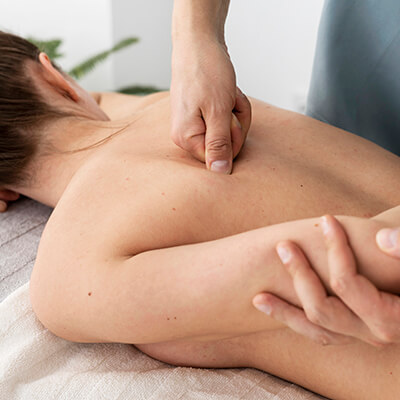
- Holding. Once a knot is found, steady pressure stays with it. You breathe, the muscle slowly gives, and the pressure follows it as it softens.
- Working the neighbors. Muscles rarely tighten alone. The ones around a stubborn knot are often guarding it, so they get attention too.
- Settling. The session eases back into calmer, flowing touch so your body can take in the change and you don’t leave feeling stirred up.
So what does a release feel like? Many people describe a melting or a slow softening under the pressure. The sharp tenderness fades to a dull, warm feeling. Sometimes the ache that’s been drifting into your head or down your arm just quiets. You might take a deep breath without even meaning to. Those small moments tell us the muscle is letting go.
The session bends to fit you, too. Some people want most of the time spent on one shoulder that’s been nagging them for months. Others are worn out from travel or a hard season and need the focused work tucked inside a deeply restful session. If your body or your heart seems to need it, the energy work I mentioned earlier can be woven in. Whether we meet at my West Sedona studio or in your home or lodging, the plan is built around what you tell me and what your body shows me.
Afterward, you’ll often notice you can turn your head farther or lift your arm more freely. It’s also common for a worked area to feel a little tender for a day or so, a bit like the day after a good workout. That usually passes on its own.
One more honest note. A knot that’s been building for years from your desk, your pack, or your favorite trail may not let go all at once. Sometimes one session brings real relief. Sometimes it takes a few visits for your body to stop pulling back into its old pattern. We’ll pay attention to how you respond and decide together what makes sense for you.
Need help with Trigger Point Therapy?
Book A Massage. Healing Hands Massage by Kris in Sedona is ready to help.
Mild Soreness Is Common, Lasting or Radiating Pain Is Not
I want you to feel safe in this work, both on the table and in the days after. Part of that is knowing what’s normal and what isn’t. A little tenderness after focused work is part of the process. Pain that sticks around, spreads, or feels new is your body asking for a pause.
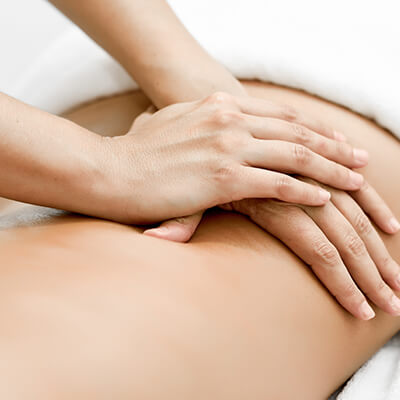
After a session, the spots we worked might feel bruised when you press on them, a bit like the day after a good workout. Here’s what that normal kind of soreness usually looks like:
- It stays in the areas we worked and doesn’t wander into new places.
- It feels dull and achy, not sharp or burning.
- It eases a little more each day, and gentle movement tends to help.
- You can still move that part of your body, often more freely than before.
Some signs mean something more is going on. If you notice any of these, please don’t push through them:
- Soreness that’s still strong after a few days, or that keeps getting worse.
- Numbness, tingling, or a pins-and-needles feeling running down your arm or leg.
- A muscle that suddenly feels weak, or a grip that’s hard to hold.
- Sharp, shooting pain, or swelling and heat in one spot.
- Pain that feels different from the ache you came in with.
It can be confusing, because trigger points do send aches to other places. Here’s one way to think about it. A knot’s referred ache feels familiar. It’s the same dull ache you’ve been living with, and it often eases as the knot softens. Tingling, numbness, or new weakness is a different feeling, and it deserves a closer look. Those are the moments to follow the doctor-first advice I shared earlier before we do more deep work.
Most of the time, nothing like this happens. But I’d always rather you tell me than wonder alone. Please let me know how your body felt in the days after your session. Did the soreness fade by the next afternoon, or linger longer than you liked? Did a spot feel too tender? That helps me adjust the pressure, slow the pace, or spend more time warming a muscle before we go deeper next time. Good trigger point work should leave you feeling looser and lighter, not hurt or worried.
This is where 25 years of listening to bodies matters. Your comfort isn’t something to tough out. It’s how I know the work is helping. Some people want firm, steady pressure. Others do best with gentler work woven together with energy healing so their whole system can soften. Either way, the session is shaped around you, and it can change as your body changes.
If you’re carrying an ache that keeps coming back, whether it’s from your desk, your pack, or Sedona’s rocky trails, I’d love to help you find where it really starts. We can meet at my West Sedona studio, or I can come to your home or lodging.
Ready to Get Started?
Book A Massage. Call 9288212877 today.
Frequently Asked Questions
Can massage really work out a myofascial trigger point, or does it just feel good temporarily?
Yes, focused pressure held steadily on a knot can help it release, not just mask the ache for an hour. The work involves finding the tight band, holding steady pressure while you breathe, and following the muscle as it softens. For knots that built up over years from a desk job, a pack, or a favorite trail, one session may bring real relief, but sometimes it takes a few visits before your body stops pulling back into its old pattern.