Service
Usui Reiki in Sedona:
Energy Work Blended with Licensed Massage Therapy
What’s Covered on This Page
Usui Reiki Is the Original Form of This Energy Practice
What Happens During a Usui Reiki Session

Usui Reiki Blended With Massage in One Session
Why Credentials Matter When Reiki Itself Isn’t Regulated in Arizona

When Usui Reiki Is Not a Substitute for Medical Care
Why did I cry during a Reiki session?

Usui Reiki Is the Original Form of This Energy Practice
Usui Reiki is the first form of Reiki. Most other styles, including Karuna Reiki®, grew out of it. It’s a gentle, simple practice, which makes it a natural first step if you’re new to energy work.
If you’ve spent any time in Sedona, you’ve probably heard the word Reiki more than once. It can feel like there are a dozen kinds, and it’s fair to wonder which one you’re signing up for. Usui Reiki is the original. It’s the root that the other styles grew from, and that’s a big part of why I love sharing it.
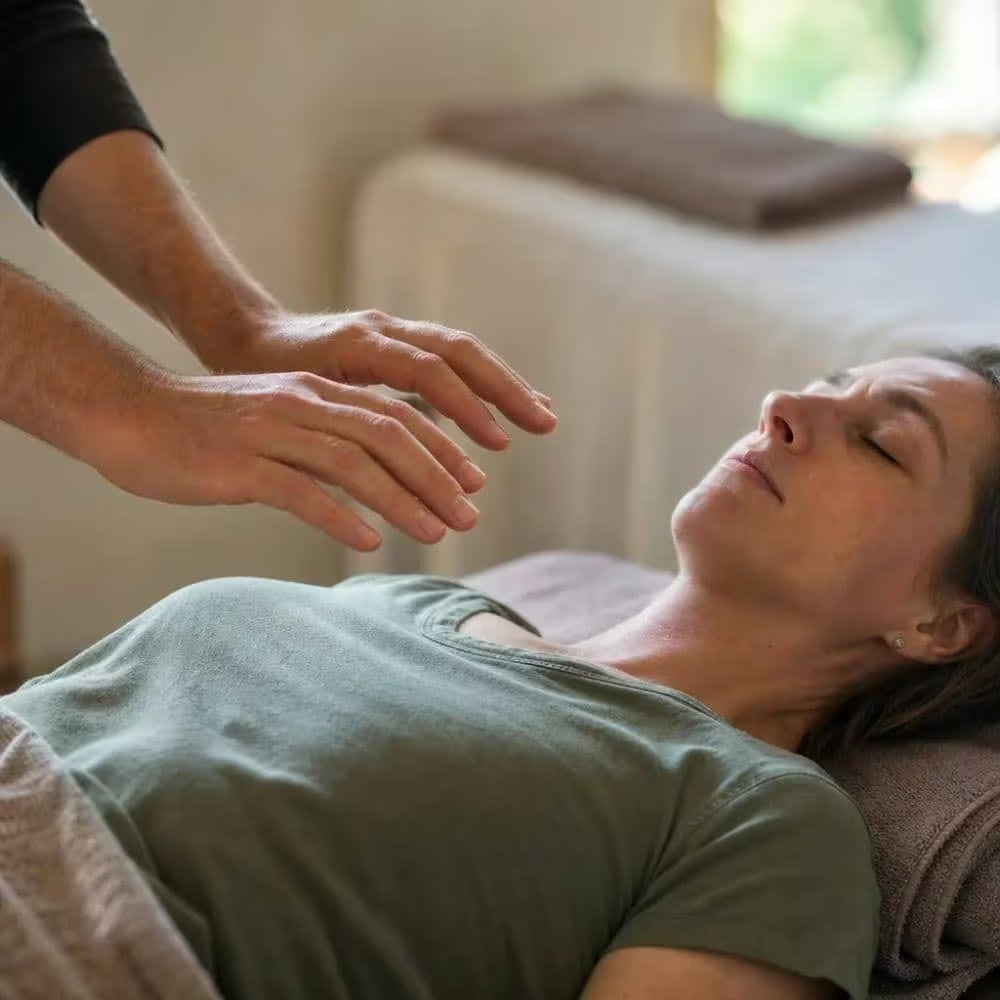
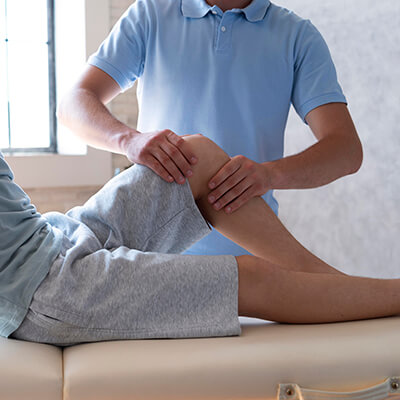
Usui Reiki comes from Japan. It’s named after Mikao Usui, who developed it in the early 1900s. At its heart, it’s a quiet practice. A trained practitioner uses light, calm touch, or holds their hands just above the body, to help you settle into a deep sense of rest and balance. There’s no pressure, no kneading, and nothing you need to do except breathe and let yourself be cared for.
Over the years, people built new systems on top of Usui’s teachings. Karuna Reiki® is one of them, and I’m trained in it too. These later styles keep the same foundation and add their own focus. When you start with Usui Reiki, you’re starting with the clearest, simplest version of the practice. It isn’t a lesser choice. It’s a solid footing to build on.
- It’s the foundation. Other Reiki styles began with Usui’s approach, so this is where the practice starts.
- It’s gentle. The touch is light and still, so it can feel welcoming if deep pressure isn’t right for you today.
- It’s simple. You don’t need to believe anything special or know anything ahead of time. You just show up as you are.
Here’s where my work may feel a little different from what you’d expect. I’ve been a massage therapist for over 25 years, and I’m trained in both Usui Reiki and Karuna Reiki®. I don’t treat energy work as something separate from the body. I blend touch with energetic healing, so your session can meet you where you are, whether your shoulders are carrying tension, your mind won’t slow down, or you just feel a little off and can’t name why.
Maybe you came to Sedona looking for a reset. Maybe you live here and the busy season has worn you thin. Either way, Usui Reiki offers a soft place to land. My goal is to help clear stagnant energy and support the inner work you’re already doing, so you leave feeling more like yourself.
You can come to my West Sedona studio, or I can come to you at your home or lodging. That way you don’t have to drive off afterward while you’re still feeling calm and open.
What Happens During a Usui Reiki Session
If you’ve never had Reiki before, it’s normal to feel a little unsure about what you’re walking into. The good news is that there isn’t much you have to do at all. A Usui Reiki session is mostly about rest. You lie down, get comfortable, and let your body and mind slow down.
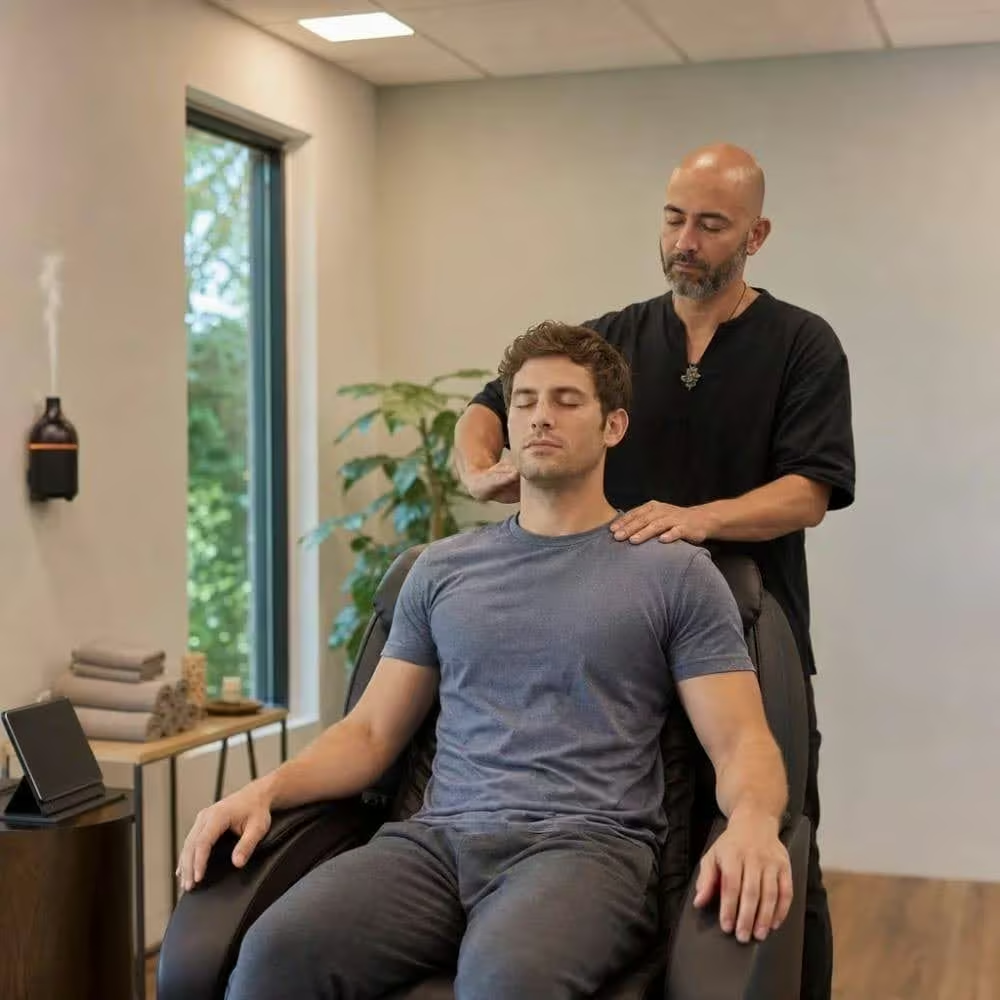
In most Usui Reiki sessions, you stay fully dressed. There are no oils, and you don’t need to undress the way you might for a massage. Loose, comfy clothes help you relax. Many people like to take off their shoes, glasses, or a bulky belt so nothing pokes or pinches while they’re lying still.
The practitioner usually works slowly from one area to the next, often moving from the head toward the feet. As I shared above, the touch is light, or the hands hover just above you. Each spot gets a few quiet minutes. It’s calm and unhurried, and nothing is meant to surprise you.
People notice all kinds of things during Reiki, and every one of them is okay. You might feel:
- Warmth or a gentle tingling where the hands rest
- Heavy, sinking relaxation, like your body finally let go
- Your breath slowing down without you trying
- Feelings rising up, like a few tears or a sense of relief
- Very little at all, which is common too
Some people drift off to sleep. Some lie awake with a quiet mind for the first time in weeks. There’s no right way to have a session, and you can’t do it wrong. If you’d rather not be touched in a certain area, or you need to shift, sit up, or ask a question, just say so. Your comfort always comes first.
This is where my years of hands-on work matter. After more than 25 years of reading how bodies hold stress, I pay close attention to how you’re settling in. At Healing Hands Massage by Kris in Sedona, energy work and therapeutic touch live side by side, so your session is shaped around what you need that day instead of a fixed script. Maybe it’s a quiet Usui Reiki session from start to finish. Maybe it’s Reiki woven into bodywork for sore shoulders after a long hike on the red rock trails. We’ll talk about it first and decide together.
When the session ends, take your time getting up. Many people feel a little dreamy, light, or deeply calm. Drinking some water and giving yourself a slow, gentle rest of the day can help that feeling last. Some folks feel the shift right away. For others it shows up later as better sleep or a softer mood.
One honest note. Reiki is a calming, supportive practice, but it isn’t a replacement for medical care. If you’re dealing with a health concern, keep working with your doctor, and think of Reiki as a kind and restful addition to that care.
That same focus carries through the practical healing hands massage by kris in sedona guidance our team provides to local families.
Usui Reiki Blended With Massage in One Session
You don’t always have to choose between caring for your body and caring for your energy. Sometimes the two are tangled together. A tight neck can keep your mind racing, and a heavy heart can sit right in your shoulders. That’s why some people find it helps to have Usui Reiki and massage in the same session.
Here’s a simple way to think about it. Massage works with your muscles. It eases knots, warms tight spots, and helps your body let go. Reiki works more quietly. It invites you into deep rest and helps clear energy that feels stuck. When your body has already softened, it’s often easier to sink into that stillness. And when you feel calm and open, your muscles tend to release more easily too. Each one makes room for the other.
Because I’m a licensed massage therapist and also trained in Usui Reiki, I can hold both at once. I graduated with honors from the Swedish Institute of Massage in New York and spent years as a therapist at L’Auberge and Amara Resort here in Sedona. That hands-on background matters. Energy work is gentle, but knowing the body well helps me notice where you’re holding on and how to meet you there.
So which should you choose? Here are a few honest guidelines.
- Choose Reiki on its own if you want the quietest, simplest experience, you’d rather stay fully clothed with no oils, or firm touch doesn’t feel right for you right now.
- Choose a blended session if you have real muscle tension, like a stiff back or sore legs, and you also want that deeper sense of calm and balance.
- Choose a blended session if you’re feeling worn down in more than one way, tired in your body and scattered in your mind, and you aren’t sure which needs care first.
- Choose massage on its own if your goal is mainly physical relief and you’d like to save energy work for another day.
One thing to know ahead of time. Massage usually means undressing to your comfort level and using oil or lotion, which is different from a Reiki-only session. If you’d like Reiki added to a massage, you’ll simply prepare the way you would for any massage. You’re always in charge of what feels comfortable, and you can change your mind at any point.
When you reach out, it helps to share a little about what’s going on. Tell me where you feel tight or sore, whether you like light or firm pressure, and what kind of feeling you hope to leave with. Maybe you want to sleep better. Maybe you just want to feel like yourself again. You don’t need the right words. A few honest details are plenty for me to shape a session that fits you.
After more than 25 years of this work, I’ve learned that no two people need quite the same thing. That’s the heart of why Usui Reiki is such a good place to begin. It’s gentle and simple on its own, and it blends easily with bodywork when your body is asking for more.
Why Credentials Matter When Reiki Itself Isn’t Regulated in Arizona
Here’s something many people don’t know until they start looking. Reiki itself isn’t a licensed profession in Arizona. There’s no state exam for it and no state license that says someone is a Reiki practitioner. Reiki training happens privately, teacher to student, usually in levels. One person’s certificate might mean years of practice. Another person’s might mean a single weekend.
That doesn’t make Reiki risky. The touch is light and gentle, as you read above. It does mean the word Reiki on a sign doesn’t tell you much about the person behind it. In a town like Sedona, where energy work is offered in so many places, it’s fair to want more than a certificate before you lie down on someone’s table.
Massage therapy is different. It is licensed by the state of Arizona, so a licensed massage therapist has met state training requirements and works under professional standards. When your Reiki practitioner also holds that license, you get the gentleness of energy work along with the care and boundaries of a trained bodyworker.
That’s the footing I bring to every session. I’m an Arizona-licensed massage therapist and a member of the American Massage Therapy Association. I graduated with honors from the Swedish Institute of Massage in New York City, and I’ve been doing this work professionally for more than 25 years, including my years at two of Sedona’s resorts. I’m trained in both Usui Reiki and Karuna Reiki®. My Reiki training didn’t replace my hands-on training. It grew on top of it.
Why does that matter to you? A practitioner who knows the body well can notice when you’re bracing, when your breath gets shallow, or when a spot feels tender. That awareness helps you feel safe enough to truly let go, and letting go is where Reiki does its quiet work.
Whoever you choose, it’s okay to ask questions before you book. A good practitioner will be glad you did. Here are a few worth asking:
- Where and with whom did you train in Reiki, and how long have you been practicing?
- Do you hold a state license in massage or another hands-on field?
- Will I stay clothed, and how will you ask before touching certain areas?
- Is the session Reiki only, or blended with bodywork, and how is it priced?
- Do you see Reiki as a support to medical care, not a replacement for it?
Listen to how they answer, not just what they say. You want someone who talks to you plainly, respects your comfort, and doesn’t promise to cure anything. Prices for Reiki vary a lot from one practitioner to the next. Session length, whether massage is part of it, and whether the practitioner travels to you can all change the cost, so ask up front and compare what’s included.
If you’d like a practitioner who brings real therapeutic training to gentle energy work, I’d be honored to be that person for you. Usui Reiki is a lovely place to start, and you deserve to start it in hands you can trust.
Need help with Usui Reiki?
Book A Massage. Healing Hands Massage by Kris in Sedona is ready to help.
When Usui Reiki Is Not a Substitute for Medical Care
I mentioned earlier that Reiki works alongside your doctor, not in place of one. I want to say more about that, because I’d rather be honest with you than have you on my table for the wrong reason. Usui Reiki can help you rest, settle, and feel more like yourself. It doesn’t diagnose anything, and it can’t fix a medical problem that needs real treatment.
Here are the times I’d ask you to get medical care first, before you book any energy work:
- Something feels urgent. Chest pain, trouble breathing, sudden weakness, or a bad fall needs help right away, not a quiet session.
- You have new pain you can’t explain, or pain that keeps getting worse. Let a doctor find out what’s going on first.
- You’ve hurt yourself on a trail. A rolled ankle or a hard slip on the red rock should be checked before you count on rest alone to heal it.
- You’re recovering from surgery or a recent injury. Ask your doctor when gentle touch is okay for you.
- You’re in an emotional crisis or feel unsafe. Please reach out to a counselor, a crisis line, or someone you trust. Reiki can be part of healing later, but it isn’t crisis care.
There are also times when it’s simply better to wait a few days. If you have a fever, a cold, or the flu, your body needs sleep and fluids more than anything else. You’ll get more out of a session once you’re feeling steady again, and you won’t have to drag yourself out the door to get it.
Please don’t stop or change any medicine because of how you feel after Reiki. If you notice your sleep or mood shifting in a good way, that’s lovely. Share it with your doctor, and let them guide any changes to your care.
And sometimes you don’t need a session at all. If you’re just a little tired after a long week, a slow walk, an early night, and a glass of water might be all you need. I’ll never tell you that Reiki is the answer to everything, because it isn’t.
So where does Usui Reiki fit? It fits when you’re cared for medically, or you simply don’t need medical care right now, and you’d like support for the rest of you. Maybe you’re working through a long health journey and want a calm hour that’s just for you. Maybe stress is sitting in your body and your mind won’t slow down. Maybe you’re on a Sedona retreat and want to rest deeply before you head home. In those moments, a gentle session can be a kind addition to the care you already have.
If you’re not sure which side of the line you’re on, just ask me. After more than 25 years of hands-on work, I’m glad to talk it through, and if I think you should see your doctor first, I’ll tell you.
Ready to Get Started?
Book A Massage. Call 9288212877 today.
Frequently Asked Questions
Why did I cry during a Reiki session?
Tears during a Usui Reiki session are a normal release, not a sign that something is wrong. As your body settles into deep rest, feelings that were sitting below the surface can rise up and move through you. Some people feel a wave of relief instead of sadness. Either way, you don’t need to hold it back or explain it. If it happens, just let it pass and keep breathing.